







What's Happening?
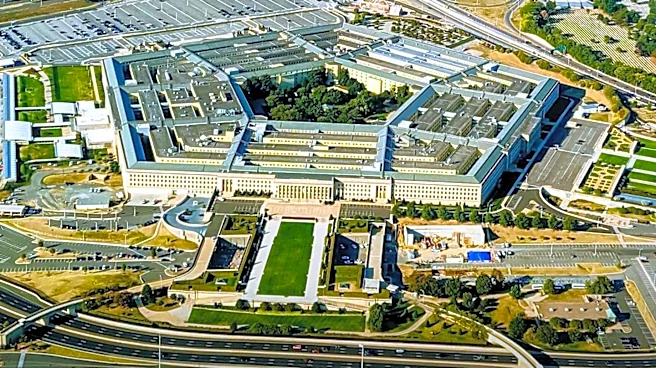
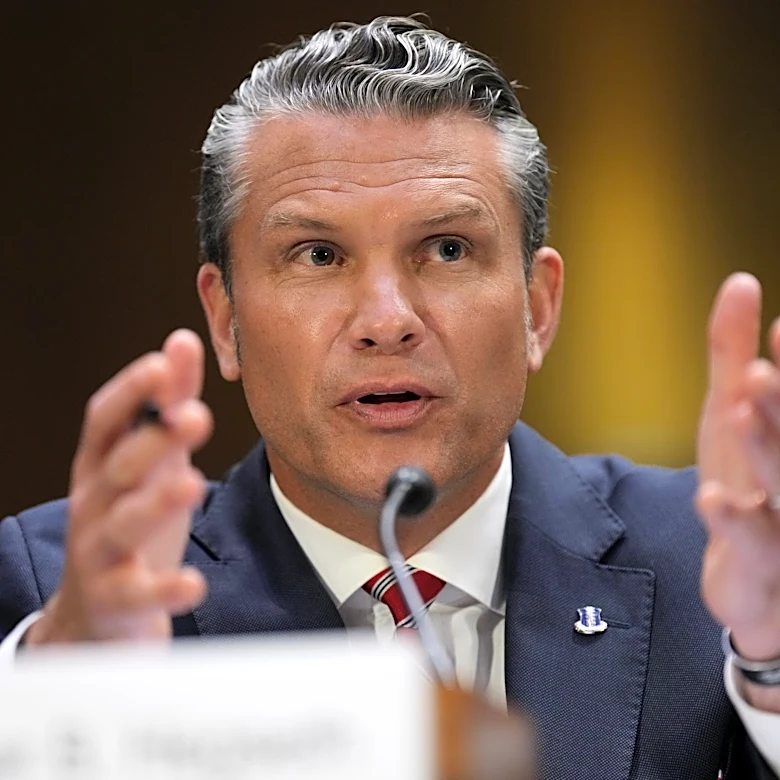
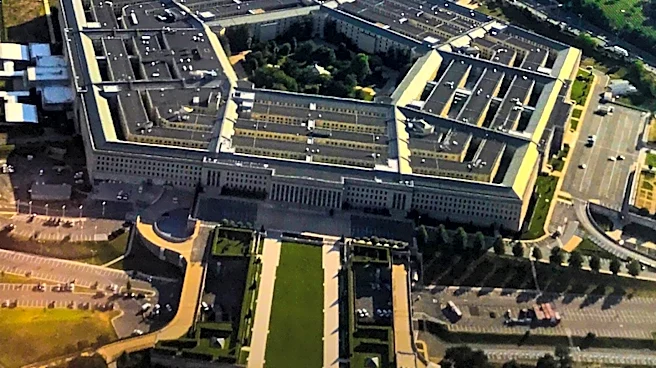
Defense Secretary Pete Hegseth and General Dan Caine have requested an additional $67 billion from Congress to address military shortfalls and restock weapons used in the ongoing conflict with Iran. The war has already cost $37.5 billion, with the Pentagon
citing urgent needs to maintain military readiness and deter adversaries. The request has sparked debate among lawmakers, with some questioning the necessity and allocation of funds, especially as domestic economic pressures mount. The hearing highlighted the challenges of balancing military commitments with fiscal responsibility, as well as the broader implications of U.S. involvement in prolonged conflicts.
Why It's Important?
The request for additional funding underscores the financial burden of sustained military operations and the strategic challenges of engaging in complex international conflicts. The debate reflects broader concerns about U.S. foreign policy, military spending, and the potential for prolonged engagement in the Middle East. The outcome of this funding request could influence future military and foreign policy decisions, as well as impact domestic political dynamics, especially with upcoming elections. The situation highlights the tension between military necessity and fiscal responsibility, as well as the need for clear strategic objectives.
What's Next?
Congress will continue to debate the funding request, with potential amendments and negotiations expected. The administration will need to address concerns about the war's objectives and costs, as well as its impact on domestic and international stability. The outcome of the funding debate could affect U.S. military operations and diplomatic efforts in the region, as well as influence public opinion and political discourse.