





What's Happening?
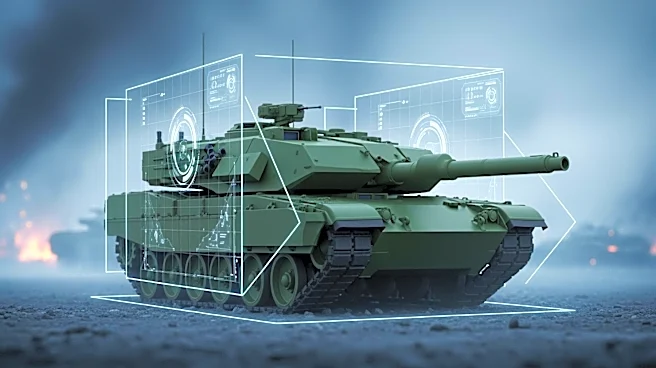
Ukraine has begun using mixed-reality headsets to train crews for the Leopard 2A4 main battle tank, as the tanks are urgently needed on the front lines. Developed by Finnish company Varjo, these headsets offer a cost-effective alternative to traditional
training methods, allowing troops to practice in a realistic virtual environment. The program, supported by Norwegian company Fynd Reality, includes 39 Varjo headsets and is valued at approximately $8.45 million. This initiative is part of a broader effort to enhance training capabilities using advanced technology, which is increasingly being adopted for various military applications.
Why It's Important?
The use of mixed-reality technology in military training represents a significant advancement in how armed forces prepare for combat. By providing a realistic and flexible training environment, these headsets allow for more frequent and comprehensive practice sessions without the logistical and financial constraints of live training. This approach not only conserves resources but also ensures that troops are better prepared for real-world scenarios. The adoption of such technology by Ukraine highlights the growing importance of virtual training tools in modern warfare, particularly for countries facing immediate military threats.
What's Next?
As Ukraine continues to integrate mixed-reality training into its military programs, feedback from these initial deployments will likely inform future expansions and improvements. The success of this initiative could lead to broader adoption of similar technologies by other countries, especially those operating the Leopard 2 tanks. Additionally, the ongoing conflict may drive further innovation and investment in military training technologies, as nations seek to enhance their defense capabilities while managing costs and resource availability.