





What's Happening?
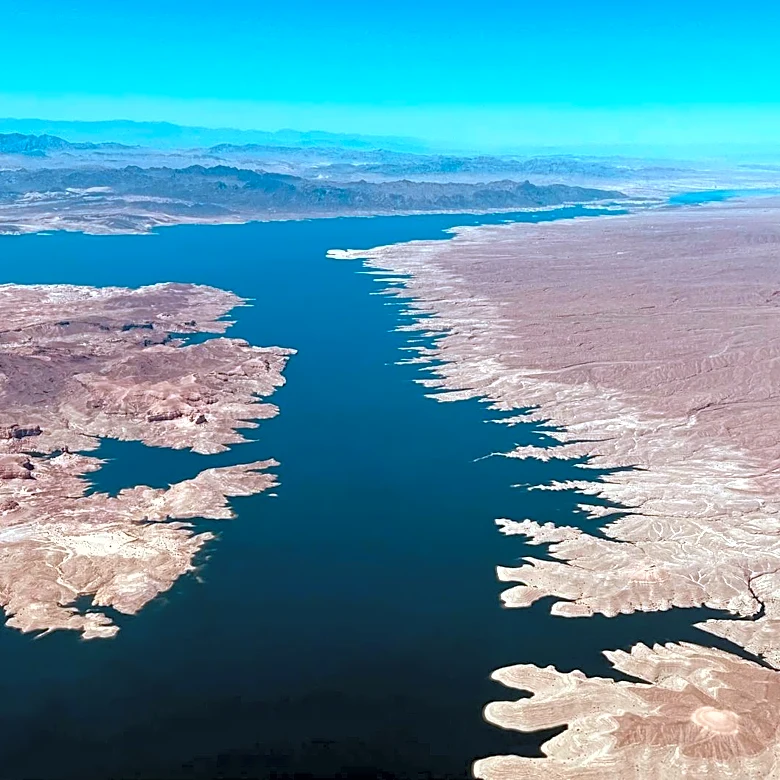
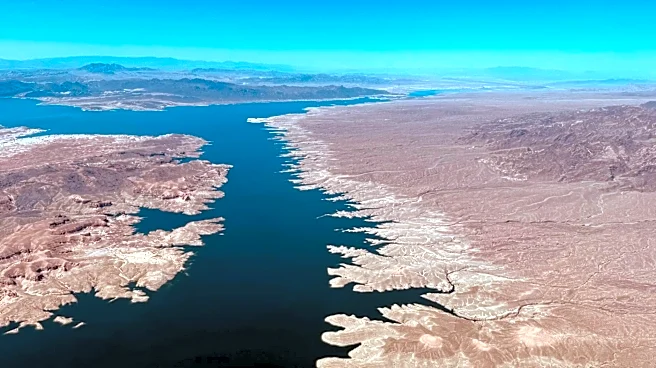
The federal government has implemented a 10-year management plan for the Colorado River after states failed to reach an agreement. This plan allows for significant water supply cuts to California, Arizona, and Nevada, and requires ongoing negotiations
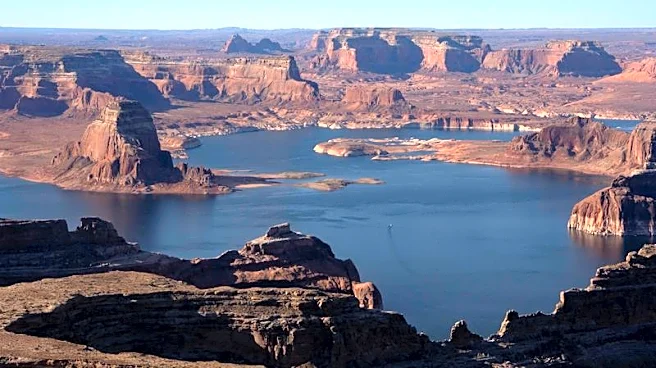
between water users. The plan replaces the 2007 guidelines and introduces a framework for two-year operational plans to manage water releases from Lake Powell and Lake Mead. The decision marks a shift in management, as federal authorities take a more active role due to the states' inability to agree on water allocation amid shrinking river resources.
Why It's Important?
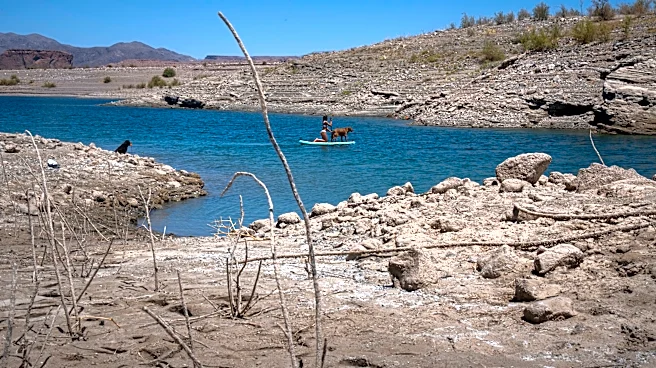
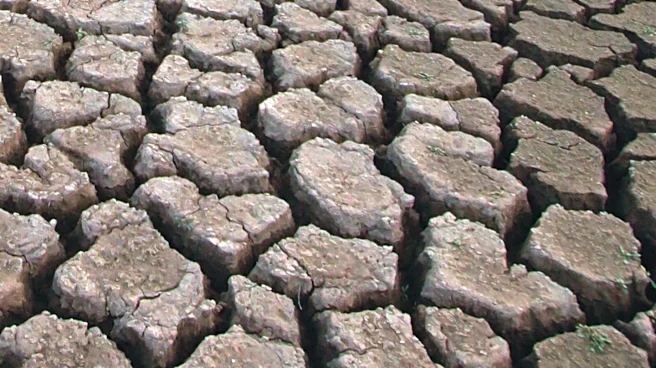
The Colorado River is a vital water source for 40 million people and numerous industries across the Southwest. The federal intervention highlights the severity of the water crisis exacerbated by drought and climate change. The potential cuts to water supplies could have significant economic and environmental impacts, particularly for the Lower Basin states. The plan aims to provide stability and flexibility in managing the river, but it also raises concerns about increased litigation and uncertainty. The situation underscores the need for collaborative solutions to address the long-term sustainability of the river.
What's Next?
The federal government will continue to develop specific operational plans every two years, allowing for adjustments based on hydrologic conditions. States are encouraged to reach consensus on water management to avoid federal mandates. The plan's implementation may lead to legal challenges from states affected by the cuts. Stakeholders, including state governments and tribal nations, will need to engage in ongoing negotiations to find durable solutions. The situation calls for proactive investment in water conservation and management strategies to ensure the river's reliability.