






What's Happening?
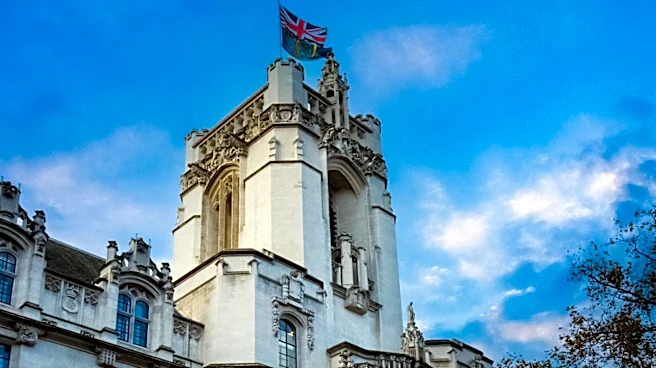
The High Court has ruled in favor of allowing the PATHWAYS puberty blockers trial to proceed, dismissing a legal challenge from campaigners. The trial, which aims to provide evidence on the benefits and risks of puberty suppression, is designed to improve
NHS care for young people with long-term gender incongruence. The trial will include a small number of participants who have already received comprehensive psychological and social support through NHS Gender Services. The PATHWAYS Trial research team emphasized the study's strict eligibility requirements and extensive safeguards, including health checks and informed consent processes. Despite the court's decision, some groups, such as the Bayswater Support Group, have expressed concerns about the trial's ethical implications, arguing that it could lead to irreversible harm to children.
Why It's Important?
The High Court's decision to allow the PATHWAYS trial to proceed is significant as it addresses the ongoing debate over the use of puberty blockers in young people with gender incongruence. The trial seeks to fill a gap in evidence regarding the safety and efficacy of these treatments, which have been a contentious issue in public and medical discourse. The outcome of this trial could influence future NHS policies and practices regarding gender-affirming care. It also highlights the tension between advancing medical research and ensuring the protection of vulnerable populations, particularly minors. The decision may set a precedent for how similar cases are handled in the future, impacting both legal and medical frameworks surrounding gender identity treatments.
What's Next?
Following the court's ruling, the PATHWAYS trial will move forward with its planned research activities. The trial will continue to monitor participants' physical and mental health, ensuring compliance with the established safeguards. Meanwhile, opponents of the trial, such as the Bayswater Support Group, may pursue further legal action, potentially appealing the decision. The trial's findings, once available, could lead to changes in NHS guidelines and influence broader public policy on gender-affirming treatments. Stakeholders, including medical professionals, advocacy groups, and policymakers, will likely continue to engage in discussions about the ethical and practical implications of the trial's outcomes.
Beyond the Headlines
The PATHWAYS trial raises broader ethical questions about medical experimentation involving minors, particularly in the context of gender identity. The trial's approval underscores the need for robust ethical frameworks to guide research involving vulnerable populations. It also highlights the importance of informed consent and the role of parents or guardians in medical decision-making for minors. The trial's outcomes could contribute to a deeper understanding of gender dysphoria and the long-term effects of puberty blockers, potentially influencing cultural perceptions of gender identity and medical treatment. As society grapples with these complex issues, the trial may serve as a catalyst for broader discussions about the intersection of science, ethics, and human rights.