



What's Happening?
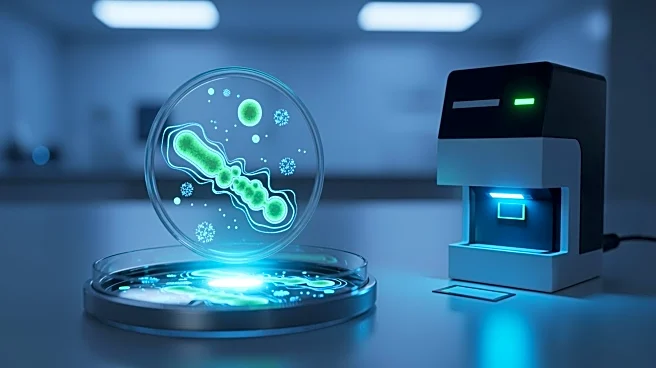
The fight against antibiotic resistance is being reshaped by four major advancements: faster diagnostics, nontraditional therapies, environmental considerations, and policy changes. New diagnostic technologies are enabling quicker identification of bacterial
pathogens, allowing for more targeted treatments. Nontraditional therapies, such as bacteriophage therapy and CRISPR-based antimicrobials, are being developed to combat resistant bacteria. Environmental factors are increasingly recognized as significant contributors to resistance, prompting a broader ecological approach. Additionally, policy initiatives like the Pasteur Act aim to incentivize antibiotic development through new payment models. These advancements reflect a comprehensive strategy to address the growing threat of antibiotic resistance.
Why It's Important?
Antibiotic resistance poses a significant threat to public health, making common infections harder to treat and increasing the risk of complications from routine surgeries. The development of faster diagnostics and innovative therapies offers hope for more effective management of resistant infections. By addressing environmental factors and implementing supportive policies, the healthcare system can better manage resistance and ensure the availability of effective treatments. These efforts are crucial for maintaining the efficacy of antibiotics and safeguarding modern medical practices.
What's Next?
Continued research and development in diagnostics and nontraditional therapies will be essential to stay ahead of evolving resistance patterns. Policymakers will need to balance incentives for antibiotic development with stewardship and equitable access to ensure sustainable solutions. Collaboration across disciplines, including microbiology, ecology, and public health, will be necessary to implement comprehensive strategies that address the multifaceted nature of antibiotic resistance.