





What's Happening?
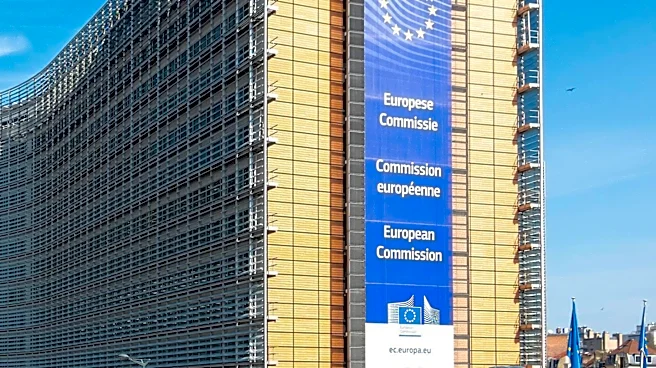
The European Commission has adopted its 2027 Work Programme, detailing legislative and policy priorities for the upcoming year. Key initiatives relevant to the construction and sustainable built environment sectors include a focus on competitiveness,
industrial resilience, and regulatory simplification. Among the planned initiatives is a 'European Heatwave Plan' scheduled for Q2 2027. This plan will introduce measures addressing sustainable water management and enhancing preparedness for extreme heat events. Additionally, the program includes initiatives for permitting acceleration, a post-2030 energy framework, a Housing Simplification Package, and measures for digital transformation and skills guarantees. These efforts aim to streamline processes, improve energy efficiency, reduce housing development barriers, and support upskilling in strategic sectors, all while addressing the growing challenges posed by climate change, particularly extreme weather phenomena.
Why It's Important?
The European Commission's 2027 Work Programme, particularly the European Heatwave Plan, signifies a proactive approach to climate change adaptation within the EU. The focus on sustainable water management and preparedness for extreme heat directly addresses critical vulnerabilities exposed by recent heatwaves, which have led to significant health and economic impacts across Europe. For the construction sector, these initiatives will drive demand for climate-resilient building materials and urban planning strategies, promoting innovation in sustainable infrastructure. The emphasis on energy efficiency and building renovation within the post-2030 energy framework will also create new opportunities for businesses specializing in green technologies and sustainable construction. Ultimately, these policies aim to enhance public health and safety, protect vital resources, and ensure the long-term resilience of European cities and economies against the escalating threats of climate change.
What's Next?
The implementation of the European Commission's 2027 Work Programme will unfold with specific initiatives scheduled throughout the year. The European Heatwave Plan, slated for Q2 2027, will likely involve detailed proposals for water conservation, early warning systems, and urban design guidelines to mitigate heat island effects. Stakeholders in the construction, water management, and energy sectors will need to adapt to new regulations and standards, potentially leading to increased investment in research and development for climate-resilient solutions. Political leaders and civil society groups will closely monitor the effectiveness of these measures, particularly regarding their impact on public health and environmental sustainability. The success of these initiatives could set precedents for other regions facing similar climate challenges, influencing global best practices in climate adaptation and urban resilience.
Beyond the Headlines
Beyond the immediate policy implications, the European Commission's 2027 Work Programme reflects a deeper societal shift towards integrating climate resilience into core economic and urban development strategies. The explicit inclusion of a 'European Heatwave Plan' acknowledges extreme heat as a persistent and growing threat, moving beyond reactive responses to proactive, systemic planning. This signals a recognition that climate change impacts are not merely environmental but deeply intertwined with public health, economic stability, and social equity. The program's holistic approach, combining energy, housing, and digital transformation with climate adaptation, suggests a future where sustainability is not an add-on but a foundational principle of governance. This could foster a new era of innovation in green technologies and sustainable urban living, potentially redefining European cities as models of climate-adaptive development.