




What's Happening?
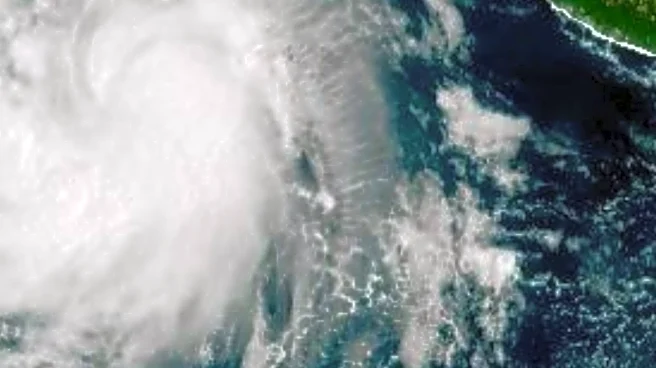
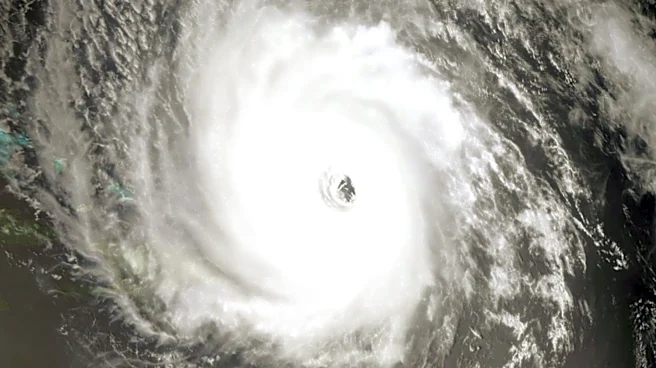
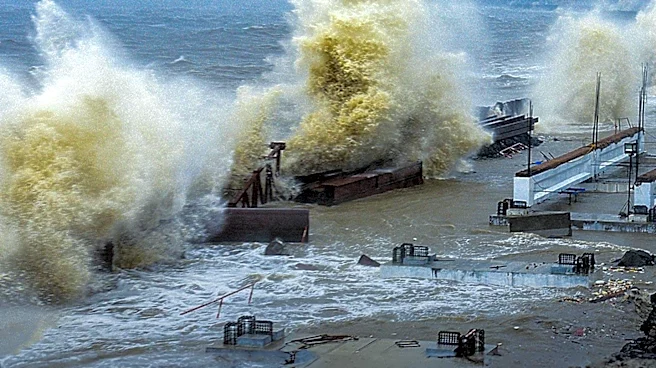
Beijing is currently under a red alert due to Typhoon Dolphin, which has already caused significant disruptions in Shanghai by grounding nearly 1,000 flights. The typhoon is expected to bring increasingly strong rains over the next three days as it moves
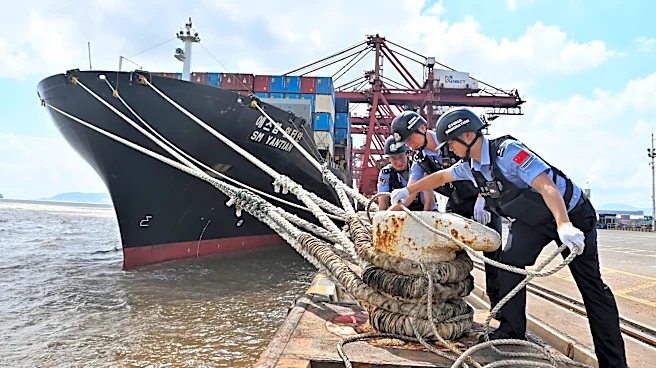
northward. The city has issued a second-highest red rainstorm alert, warning of potential flooding and advising the public to halt outdoor activities. The typhoon, the strongest to hit China this year, is forecast to move deeper inland, affecting central provinces and potentially causing flooding in Beijing, Tianjin, and Hebei. Authorities are prepared to activate flood control responses as the situation develops.
Why It's Important?
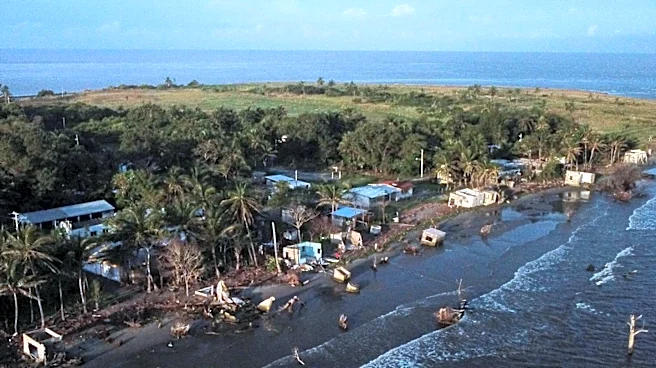
The red alert in Beijing highlights the severe impact of Typhoon Dolphin on China's infrastructure and public safety. The grounding of flights in Shanghai and potential flooding in major cities like Beijing and Tianjin could disrupt economic activities and daily life. The typhoon's strength and trajectory underscore the challenges faced by urban centers in managing extreme weather events, which are becoming more frequent and intense due to climate change. The situation also tests the preparedness and response capabilities of local authorities in mitigating the effects of natural disasters.
What's Next?
As Typhoon Dolphin continues its path, authorities will likely focus on monitoring weather conditions and implementing flood control measures. The public may experience further disruptions in transportation and daily activities, especially in areas prone to flooding. Emergency services and local governments will need to coordinate efforts to ensure public safety and minimize damage. The situation may also prompt discussions on improving infrastructure resilience and disaster preparedness in the face of increasingly severe weather events.