







What's Happening?
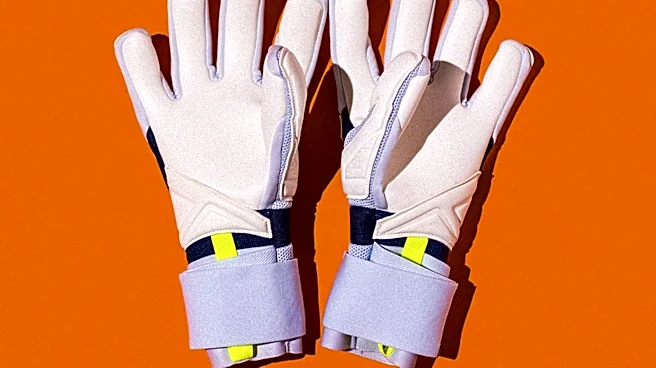
Omaha police have agreed to stop using electric shock gloves, known as G.L.O.V.E.s (Generated Low Output Voltage Emitters), on students within Nebraska's largest public school district. This decision follows a request from Omaha Superintendent Matthew
Ray, who learned about the devices recently. The Associated Press initially reported on Immigration and Customs Enforcement's plan to equip officers with these gloves, which have also been used in some jails. While Omaha police will discontinue their use in most Omaha middle and high schools, the suburban Bellevue police department, which patrols two Omaha schools and the larger Bellevue district, stated its officers will continue to carry them. Three other large school districts in the Omaha metropolitan area, which also have Omaha school resource officers assigned to their buildings, have not yet taken action to prevent police from using these devices. Emails from 2023 indicate that Omaha police had previously notified districts about their intention to equip officers with the gloves, and an Omaha district official was already aware of their use by Bellevue police at two Omaha schools.
Why It's Important?
This development highlights a growing concern regarding the use of less-lethal force options by school resource officers and their impact on student safety and trust. The decision by Omaha police to cease using electric shock gloves in schools reflects a response to community and school board opposition, with approximately 30 people speaking against the practice at a recent school board meeting. Students, like Nora Wessel of Omaha Central High School, expressed fear and a breakdown of trust, stating that the presence of such weapons creates a barrier for students seeking help from resource officers. The continued use of these gloves by Bellevue police and the inaction of other districts underscore a fragmented approach to school safety policies across the region. This situation raises questions about the standardization of force protocols for school resource officers and the balance between maintaining order and fostering a safe, trusting environment for students, particularly those with disabilities or special medical needs, as noted by Ken Trump, president of National School Safety and Security Services.
What's Next?
The Omaha Police Department will continue to equip its officers with tasers, batons, OC spray, and firearms, despite discontinuing the use of electric shock gloves in schools. The Bellevue police department has affirmed its intention to continue carrying the gloves, with Chief Ken Clary stating they are a safe, effective, and less harmful tool compared to alternatives. This divergence in policy suggests that other school districts in the Omaha metropolitan area, such as Millard, Elkhorn, and Westside, may face increasing pressure to address the use of these devices by their assigned school resource officers. The ongoing debate will likely prompt further discussions among school boards, law enforcement agencies, and community members regarding appropriate use-of-force policies in educational settings. The incident also brings to light the need for clear communication and collaboration between police departments and school districts regarding the introduction and use of new technologies that impact student interactions.
Beyond the Headlines
The controversy surrounding electric shock gloves in schools extends beyond immediate safety concerns, touching upon deeper ethical and psychological implications for students and the educational environment. The use of such devices, even if deemed 'less than lethal,' can contribute to a climate of fear and distrust, potentially criminalizing student behavior rather than addressing underlying issues. The differing stances between Omaha and Bellevue police departments highlight a broader lack of consensus on what constitutes appropriate force in schools and the extent to which law enforcement tactics should be adapted for educational settings. This situation also raises questions about transparency and accountability, as Superintendent Ray only recently became aware of the gloves despite earlier notifications. The long-term impact on student-police relations, particularly for vulnerable populations, and the potential for disproportionate application of force, remain critical considerations that could shape future policies on school policing nationwide.