



What's Happening?
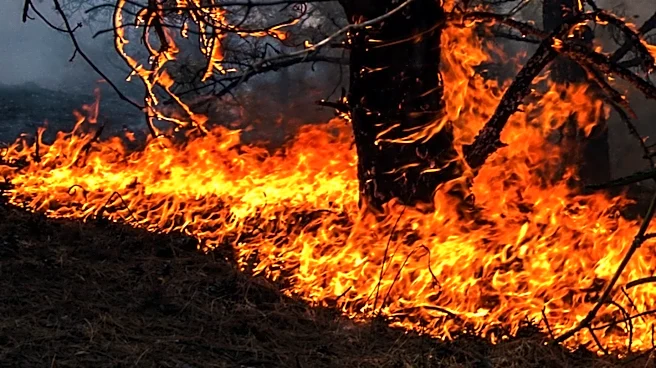
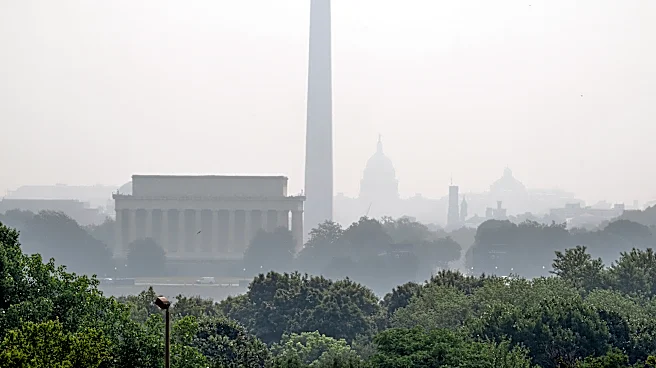
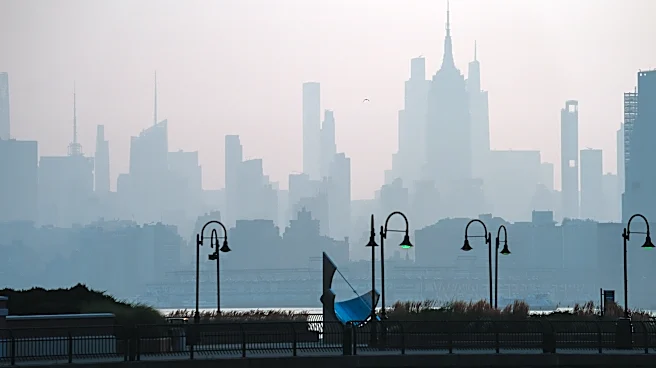
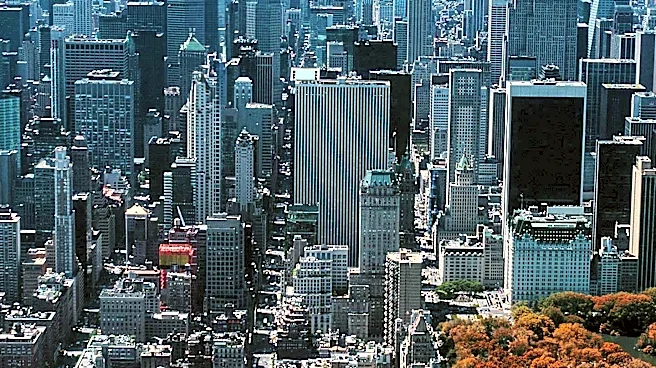
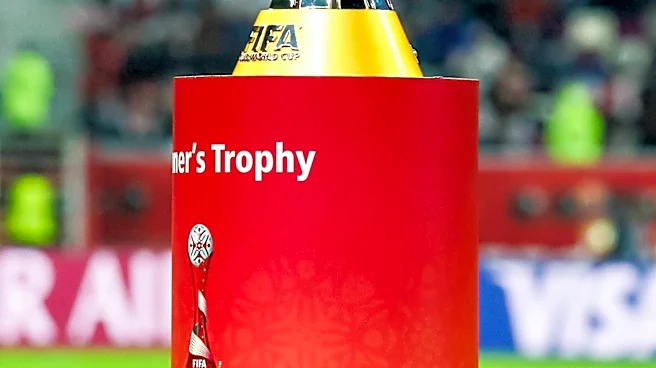
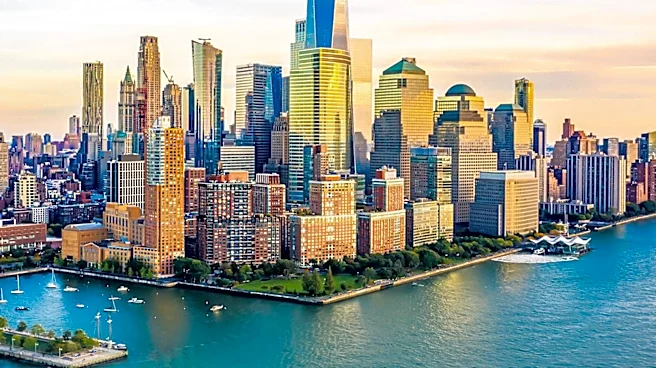
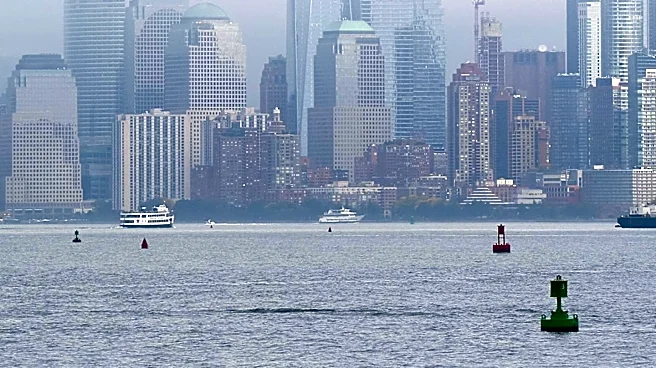
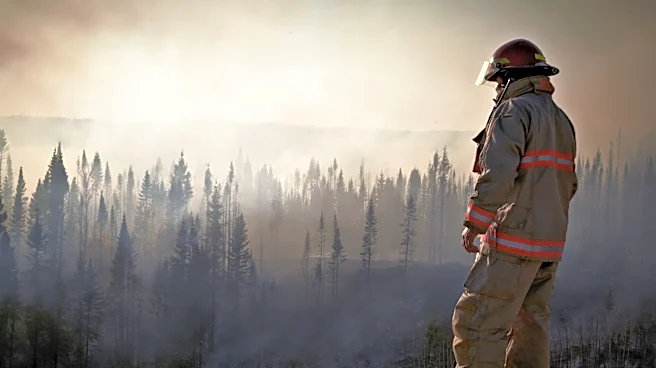
New York City is experiencing significant air quality issues due to smoke from wildfires in Canada, just days before the 2026 World Cup final between Spain and Argentina at MetLife Stadium. The smoke, originating from uncontrolled fires in Ontario, has
been exacerbated by a heat dome, trapping particles close to the ground. This has led to an orange sky and unhealthy air quality levels, prompting city authorities to issue health warnings and distribute KN95 masks. The stadium, lacking a roof, poses additional concerns for the health of players and the 82,500 expected spectators. Despite these challenges, FIFA and local authorities have not yet considered postponing the match, with hopes that forecasted rain will improve conditions.
Why It's Important?
The air quality issues in New York highlight the broader impact of climate-related events on major international events and public health. The situation underscores the vulnerability of urban areas to environmental changes and the need for robust contingency plans for large gatherings. The health advisories issued emphasize the risks to vulnerable populations, including children and those with respiratory conditions. The event also draws attention to the ongoing challenges posed by climate change, as wildfires become more frequent and intense, affecting air quality across borders. The economic implications are significant, with potential disruptions to tourism and local businesses reliant on the influx of visitors for the World Cup final.
What's Next?
Authorities are closely monitoring air quality levels and weather forecasts, with rain expected to potentially alleviate the smoke issue before the match. The situation remains fluid, with health advisories likely to continue as needed. The outcome of the World Cup final will be closely watched, not only for the sporting result but also for how effectively the city manages the environmental challenges. The event may prompt further discussions on infrastructure resilience and emergency preparedness for future international events in the face of climate-related disruptions.