







What's Happening?
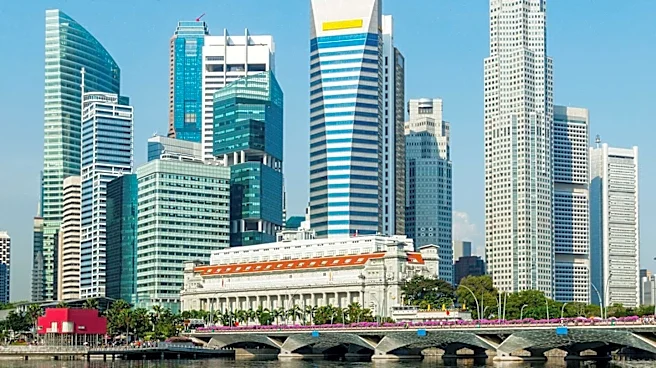
Singapore has expressed opposition to potential U.S. tariffs, arguing that there is no technical or economic basis for such measures. Foreign Affairs Minister Vivian Balakrishnan emphasized that the U.S. has a trade surplus with Singapore, which is growing.
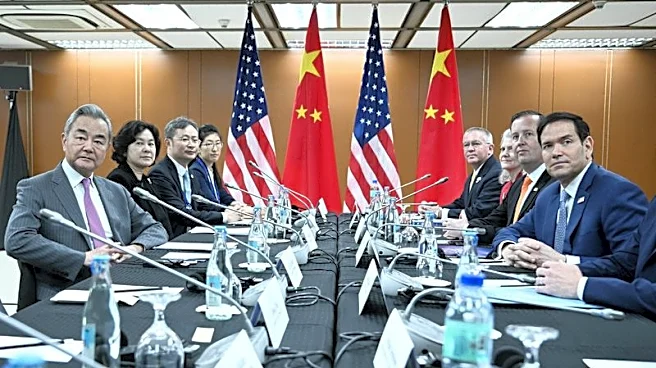
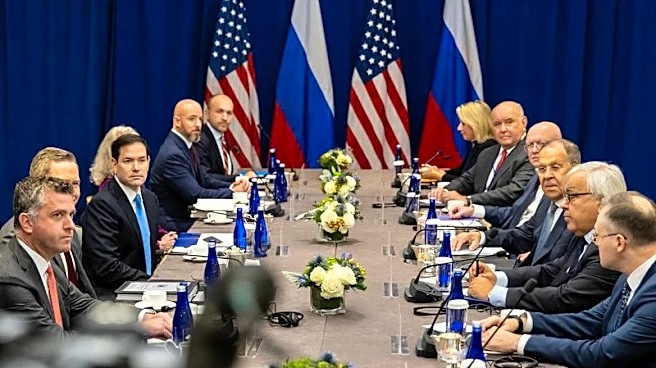
The proposed tariffs are part of a U.S. investigation into trading partners' efforts to prevent the import of goods made with forced labor. Singapore has assured the U.S. of its comprehensive framework to enforce against illegal labor practices. The issue was discussed during the ASEAN Foreign Ministers' Meeting, highlighting the region's transition from a unipolar to a multipolar order.
Why It's Important?
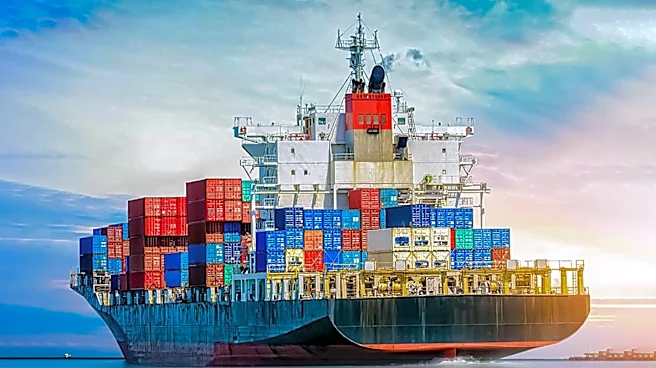
The potential imposition of U.S. tariffs on Singapore could impact trade relations and economic integration within ASEAN. For U.S. businesses, understanding the implications of such measures is crucial for navigating international trade dynamics. Singapore's opposition reflects broader concerns about unilateral actions that may disrupt regional cooperation and economic stability. The situation underscores the importance of multilateralism and adherence to international law in maintaining balanced trade relations.
What's Next?
The outcome of the U.S. investigation and potential tariff imposition will influence future trade negotiations and economic policies between the U.S. and ASEAN countries. Singapore's proactive stance may lead to diplomatic efforts to resolve the issue and strengthen regional integration. U.S. policymakers may need to consider the broader implications of trade measures on international relations and economic partnerships.