





What's Happening?
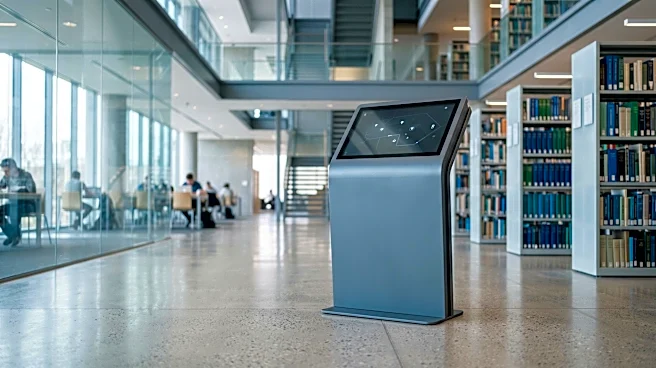
UNLV University Libraries has introduced new interactive maps on its website to help students and other users more easily locate books, spaces, and services within Lied Library. This initiative, funded by the Libraries Advisory Board, allows users to find
the exact shelf range for a book by clicking a 'Find in Library' button in the library catalog. Instead of just providing a call number, the system now directs users to the specific floor and aisle. Anjanette Jones, web content and user experience specialist, highlighted that this improvement offers more precise material location. Brett Nafziger, head of access services in Lied, noted a significant positive impact, especially for students, as staff can now provide QR codes that directly display the map on a user's phone, guiding them to their desired book. The project aims to replace an older wayfinding system with a more interactive, informative, and accessible solution.
Why It's Important?
This development is important for enhancing educational accessibility and efficiency within U.S. academic institutions. By simplifying the process of locating library resources, UNLV Libraries are directly addressing a common challenge faced by students, potentially reducing frustration and saving valuable study time. The interactive maps contribute to a more independent learning environment, allowing users to navigate the library's extensive collections without constant staff assistance. This technological upgrade reflects a broader trend in educational institutions to leverage digital tools for improved user experience and operational efficiency. The success of this pilot project, supported by alumni and donors, could serve as a model for other university libraries across the U.S. seeking to modernize their services and better support their student populations.
What's Next?
Libraries staff at UNLV plan to continuously evaluate the usage of these interactive maps and implement further improvements based on user feedback. Future considerations include expanding the interactive map system to cover branch libraries, thereby extending the benefits to a wider range of users and locations within the university system. The ongoing assessment will ensure the maps remain effective and responsive to user needs. This iterative approach to development suggests a commitment to long-term enhancement of library services, potentially leading to more sophisticated features and broader integration across UNLV's academic support infrastructure.
Beyond the Headlines
The implementation of interactive library maps at UNLV signifies a deeper shift towards digital-first solutions in public services. Beyond mere navigation, these maps foster a sense of independence and self-sufficiency among users, aligning with modern educational philosophies that emphasize active learning and resource discovery. The project also highlights the critical role of donor support and community engagement in funding technological advancements within educational institutions. Ethically, by making resources more accessible, the library is upholding its mission to serve all patrons equitably, including those who might otherwise struggle with traditional wayfinding methods. This move could also influence how physical spaces are designed and utilized in the future, with technology playing an increasingly central role in mediating user interaction with their environment.