
What's Happening?
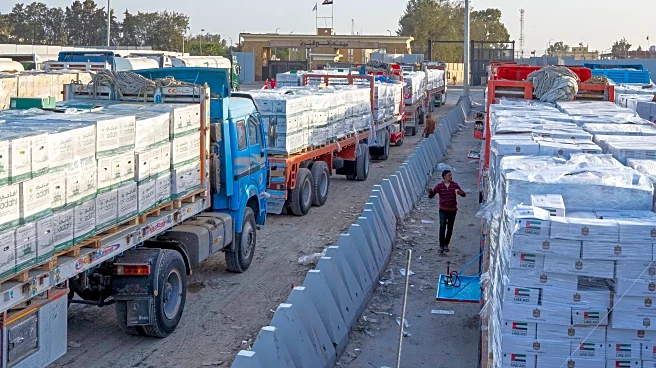
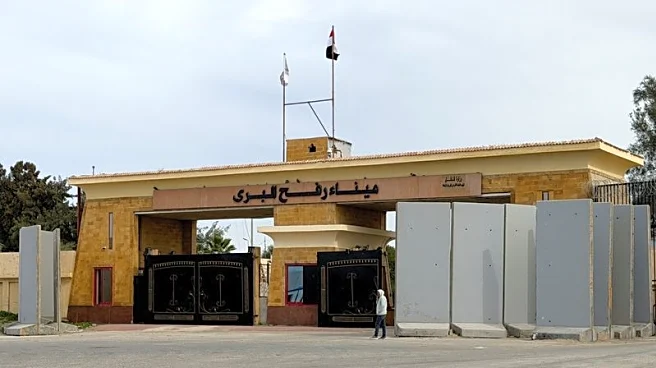
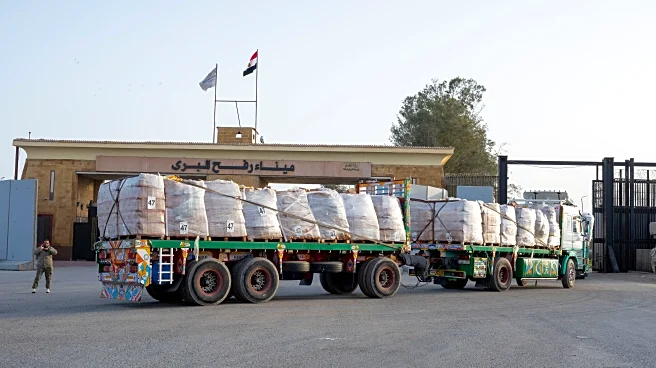
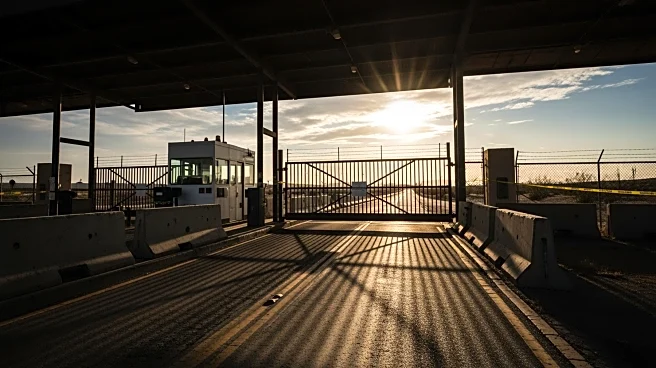
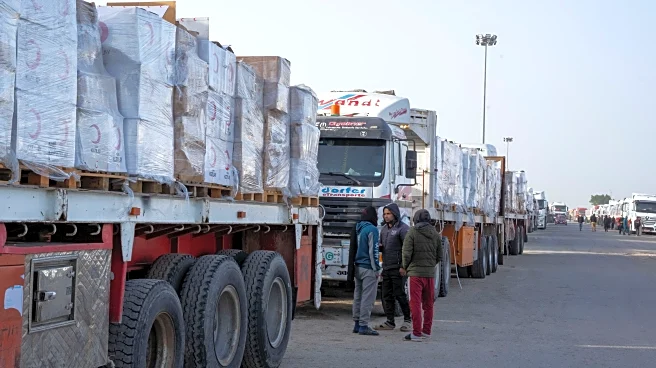
The Rafah border crossing between Gaza and Egypt is set to reopen on Monday, following a prolonged closure. This development comes as part of a ceasefire agreement between Israel and Hamas. The reopening is expected to allow limited travel, with initial
restrictions on the number of people permitted to cross. The crossing has been largely shut since May 2024, and its reopening is seen as a significant step in easing the humanitarian situation in Gaza. However, the limited capacity and ongoing security concerns remain challenges.
Why It's Important?
The reopening of the Rafah crossing is a critical development for the residents of Gaza, who have faced severe restrictions on movement and access to essential services. It represents a potential easing of the humanitarian crisis in the region, allowing for medical evacuations and the return of displaced individuals. The move is also significant in the context of the broader ceasefire agreement, which aims to stabilize the region and prevent further hostilities. However, the limited capacity and continued oversight by Israel and Egypt highlight the ongoing complexities of the situation.
What's Next?
The success of the Rafah crossing reopening will depend on the cooperation between Israel, Egypt, and the Palestinian authorities. If the initial phase is successful, it could lead to increased capacity and further easing of restrictions. The international community, including humanitarian organizations, will be monitoring the situation closely to ensure that the needs of Gaza's residents are met. The reopening could also influence future negotiations and the implementation of the broader ceasefire agreement.