




What's Happening?
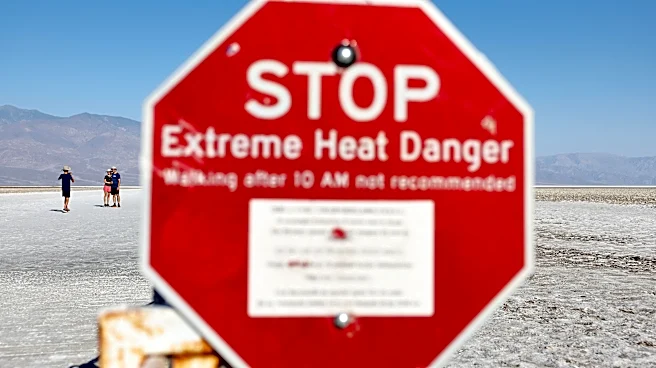
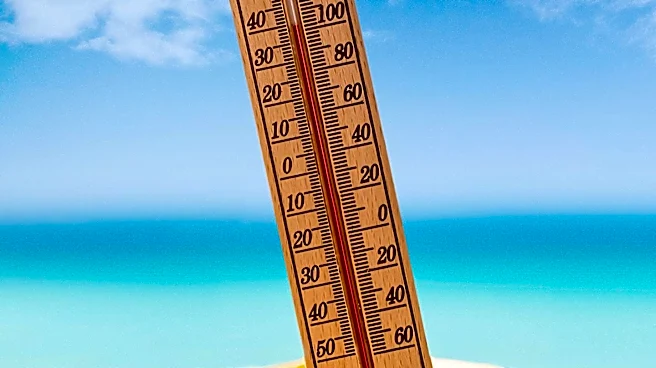
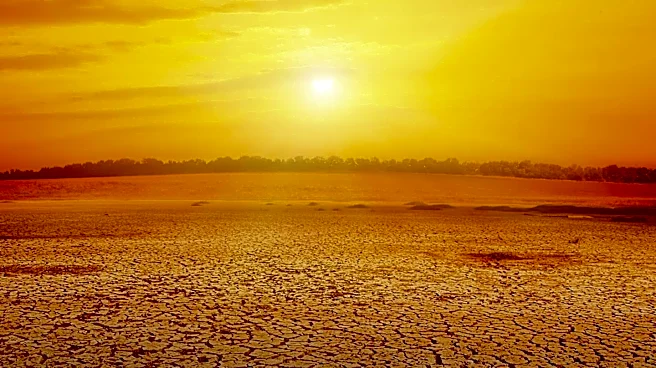
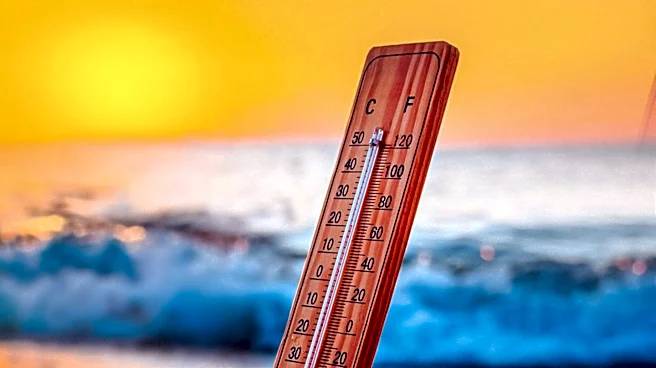
A severe heatwave is expected to intensify across the central and eastern United States as the July 4th weekend approaches. Meteorologists predict record-breaking temperatures, potentially reaching up to 46 degrees Celsius (approximately 115 degrees Fahrenheit).
This extreme weather event is part of a broader pattern of rising temperatures affecting large parts of the country. The National Weather Service has issued warnings, urging residents to take precautions against heat-related illnesses. The heatwave is anticipated to impact daily life, with potential disruptions to outdoor events and increased demand on power grids as people seek to cool their homes.
Why It's Important?
The anticipated heatwave poses significant risks to public health and safety, particularly for vulnerable populations such as the elderly and those with pre-existing health conditions. The extreme temperatures could lead to an increase in heat-related illnesses and fatalities. Additionally, the heatwave may strain infrastructure, particularly the power grid, as demand for air conditioning surges. This could result in power outages, further exacerbating the situation. The event underscores the growing challenges posed by climate change, as such extreme weather patterns become more frequent and severe, necessitating improved preparedness and response strategies.
What's Next?
Authorities are likely to implement emergency measures to mitigate the impact of the heatwave, including opening cooling centers and issuing public health advisories. Utility companies may take steps to manage the increased demand on the power grid, potentially implementing rolling blackouts to prevent widespread outages. The situation may prompt discussions on long-term strategies to address climate change and improve infrastructure resilience. Public and private sectors might collaborate to enhance community preparedness for future extreme weather events.
Beyond the Headlines
The heatwave highlights broader environmental and societal issues, including the need for sustainable urban planning and the importance of addressing climate change at both local and national levels. It raises questions about the adequacy of current infrastructure to withstand extreme weather and the role of policy in promoting energy efficiency and renewable energy sources. The event may also influence public opinion and policy discussions regarding climate action and environmental protection.