







What's Happening?
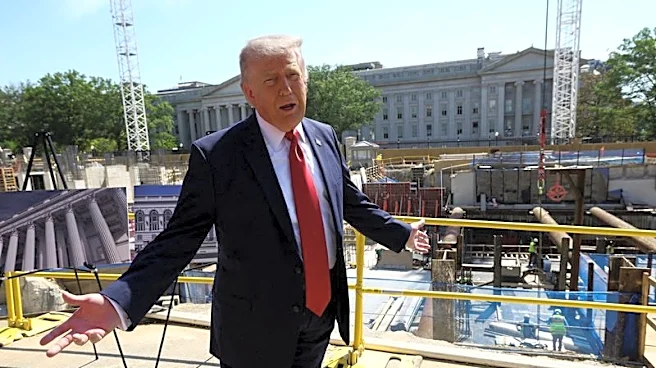
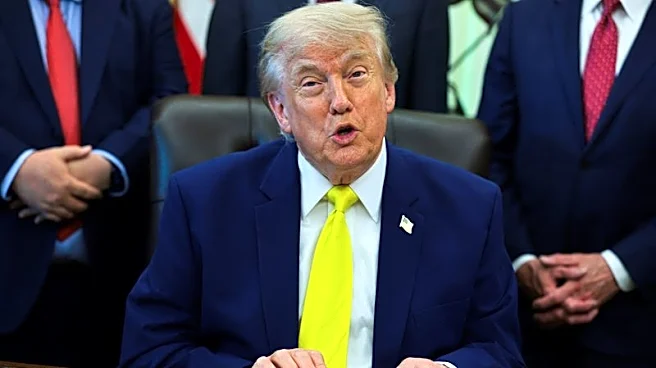
During the 2024 campaign, President Trump shared a video titled 'God Made Trump' on Truth Social, which was also shown at his rallies. The video draws parallels between Trump and a divine caretaker, suggesting he was chosen by God to confront adversaries
like the media, described as 'vipers.' This narrative aligns with the views of some evangelical leaders, such as Robert Jeffress, who have supported Trump for his combative style, which they see as necessary in a cultural and spiritual battle against secular forces. The video and the support it garners reflect a broader trend among evangelicals who view Trump as a warrior defending Christian values, despite his controversial lifestyle and rhetoric.
Why It's Important?
The support for President Trump among evangelicals underscores a significant cultural and political alignment. This relationship highlights the influence of religious beliefs on political choices, where Trump's perceived role as a defender of Christianity resonates with many evangelicals. This alignment has implications for U.S. politics, as it affects voting patterns and policy priorities, particularly on issues like abortion and religious freedom. The evangelical support also reflects a broader cultural divide, where traditional Christian values are seen as under threat from progressive ideologies, leading to a rallying around figures like Trump who promise to restore and protect these values.
What's Next?
The ongoing support for President Trump among evangelicals suggests that this group will continue to play a pivotal role in shaping the political landscape. As cultural and political tensions persist, evangelical leaders and communities may further influence policy debates and electoral outcomes. The narrative of Trump as a divinely appointed leader could continue to galvanize support, impacting future elections and the direction of the Republican Party. Additionally, this dynamic may prompt discussions within evangelical circles about the intersection of faith and politics, potentially leading to shifts in how religious values are expressed in the public sphere.
Beyond the Headlines
The evangelical support for President Trump raises questions about the ethical and theological implications of aligning religious beliefs with political figures. This relationship challenges traditional Christian teachings on humility and compassion, as Trump's aggressive style contrasts with the more pacifist elements of Christianity. The situation also highlights the potential for religious narratives to be used in political contexts, influencing public perception and policy. This blending of religion and politics may lead to long-term shifts in how faith communities engage with societal issues, potentially redefining the role of religion in American public life.