








What's Happening?
Homeowners are often faced with the decision between propane and natural gas as primary fuel sources, each presenting distinct advantages and disadvantages. Both are fossil fuels, meaning neither is emissions-free, but their environmental impacts, availability,
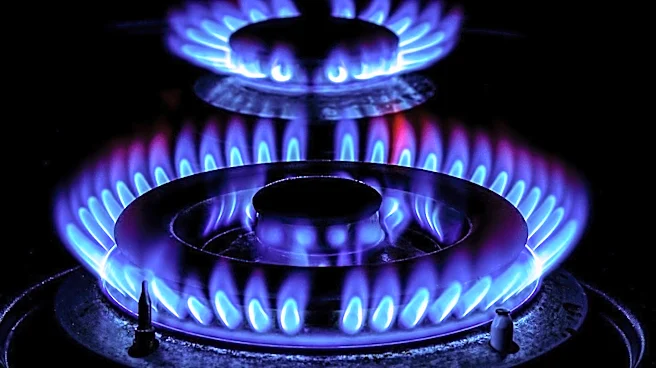
storage, and cost structures differ significantly. Natural gas is typically delivered via underground pipelines, making it continuously available in areas with existing infrastructure. Propane, conversely, is stored in tanks on-site and requires periodic refilling, offering flexibility for remote locations without natural gas lines. Installation requirements vary, with appliances often needing specific fittings or conversion kits to switch between the two. The overall cost depends on local prices, energy usage, appliance efficiency, and installation/delivery fees, making a direct price comparison complex due to different measurement units (gallons for propane vs. therms/cubic feet for natural gas).
Why It's Important?
The choice between propane and natural gas has significant implications for U.S. homeowners, impacting household budgets, energy independence, and environmental footprint. For those in rural or developing areas, propane offers a viable energy solution where natural gas infrastructure is absent, promoting energy access. Conversely, the widespread availability of natural gas in urban and suburban areas often provides a convenient and potentially more cost-effective option due to continuous supply and lower per-unit costs in some regions. The environmental considerations are also crucial; while both are fossil fuels, propane is considered a cleaner-burning fuel than some other conventional fossil fuels, and natural gas, primarily methane, is a potent greenhouse gas when leaked. This decision influences appliance choices, home construction, and long-term energy planning, affecting both individual consumers and the broader energy market in the U.S. as the nation navigates its energy transition.
What's Next?
Homeowners considering propane or natural gas will continue to weigh factors such as local availability, installation costs, and long-term operating expenses. The ongoing development of energy infrastructure, particularly the expansion of natural gas pipelines, could influence future choices for communities. Simultaneously, advancements in appliance efficiency for both fuel types will play a role in reducing energy consumption and associated costs. The evolving regulatory landscape around greenhouse gas emissions and clean energy incentives may also sway consumer preferences. As the U.S. continues its energy transition, the demand for cleaner-burning fuels and the push for renewable alternatives could impact the market share and pricing of both propane and natural gas. Consumers will likely see continued innovation in storage solutions for propane and enhanced leak detection technologies for natural gas, aiming to improve safety and efficiency.
Beyond the Headlines
Beyond the immediate practicalities, the choice between propane and natural gas reflects broader societal trends in energy consumption and environmental consciousness. The reliance on either fuel highlights the U.S.'s continued dependence on fossil fuels, even as the nation strives for cleaner energy solutions. This decision also touches upon issues of energy equity, as access to natural gas pipelines often correlates with population density and economic development, leaving remote areas to rely on more transport-intensive fuels like propane. The discussion around 'clean-burning' fossil fuels also raises ethical questions about greenwashing and the true environmental impact of these energy sources compared to fully renewable options. Ultimately, the individual choices made by homeowners contribute to the collective energy profile of the nation, influencing infrastructure development, environmental policy, and the pace of the transition to a sustainable energy future.