






What's Happening?
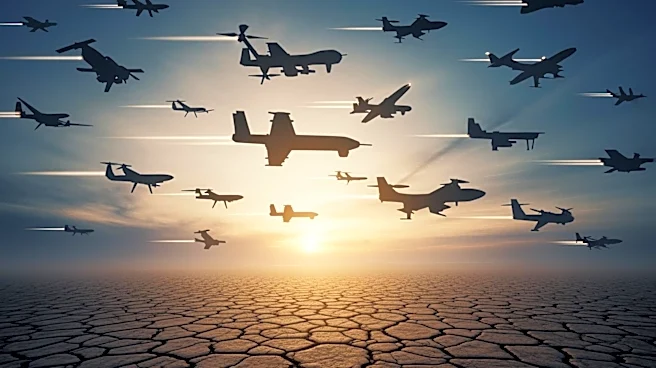
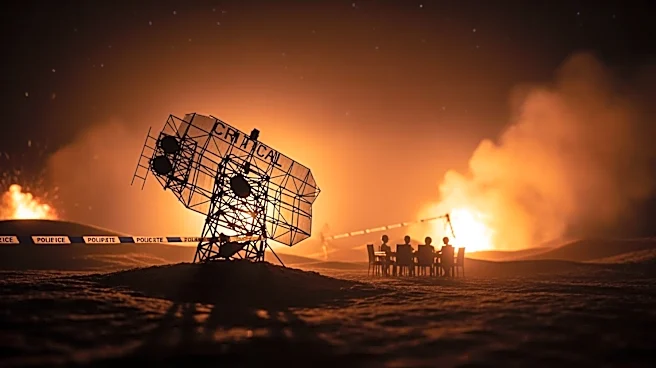
The United States military has conducted strikes on Iranian radar sites after Iran launched drones targeting U.S. vessels. According to CENTCOM, multiple Iranian ballistic missiles and drones were intercepted as they were fired towards the Strait of Hormuz
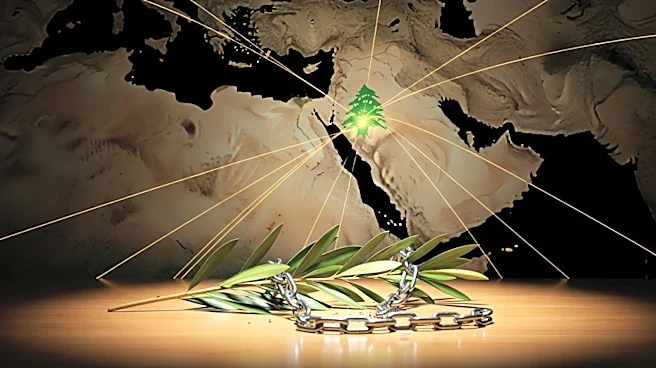
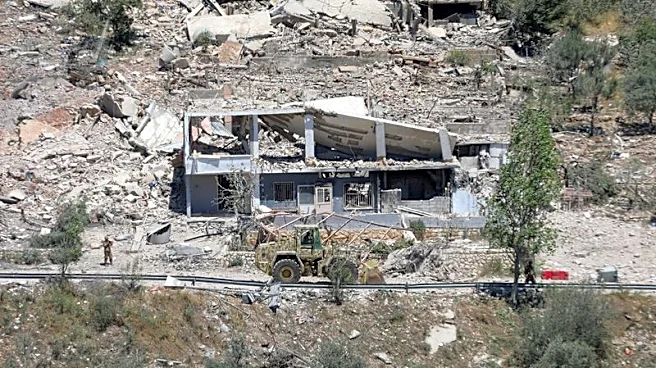
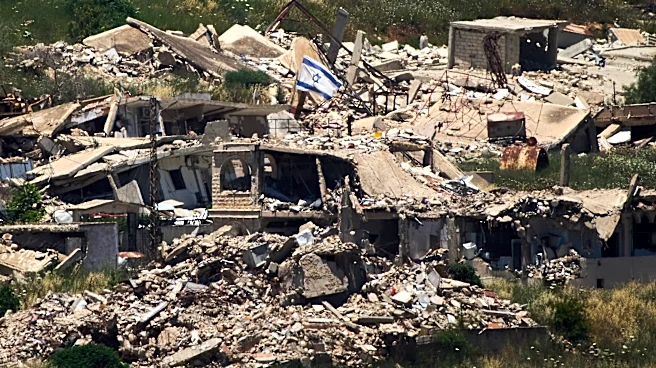
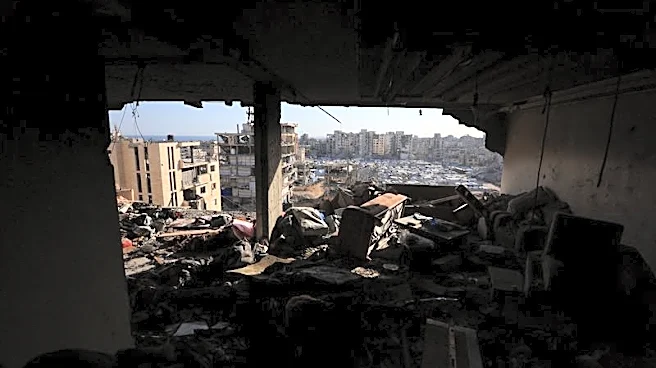
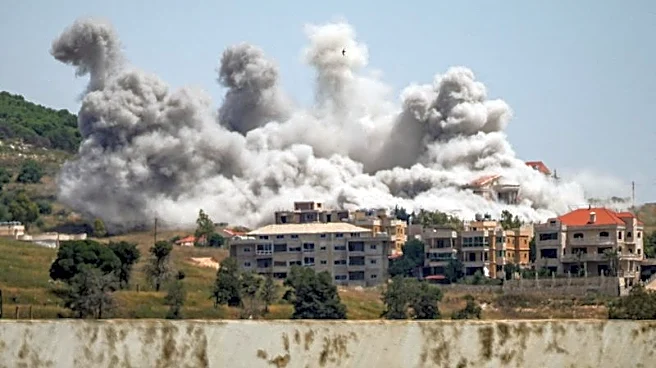
and U.S. air bases in the Gulf. This military action is part of escalating tensions between the U.S. and Iran, with the Strait of Hormuz being a critical chokepoint for global oil shipments. The incident also coincides with a parallel conflict in Lebanon, where Hezbollah claimed responsibility for attacks on Israeli troops.
Why It's Important?
This development is significant as it underscores the ongoing volatility in the Middle East, particularly in the strategically vital Strait of Hormuz. The U.S. military's response to Iranian provocations highlights the potential for further military engagements, which could disrupt global oil markets and escalate regional tensions. The involvement of Hezbollah in Lebanon adds another layer of complexity, potentially drawing in other regional actors and affecting U.S. foreign policy and military strategy in the region. The situation poses risks to international shipping and energy security, with potential economic repercussions globally.
What's Next?
The immediate future may see increased military readiness and potential further engagements between U.S. and Iranian forces. Diplomatic efforts may be pursued to de-escalate tensions, but the risk of miscalculation remains high. Regional allies and international stakeholders will likely monitor the situation closely, with possible calls for dialogue to prevent further escalation. The U.S. may also seek to strengthen its alliances in the region to counter Iranian influence and ensure the security of maritime routes.