






What's Happening?
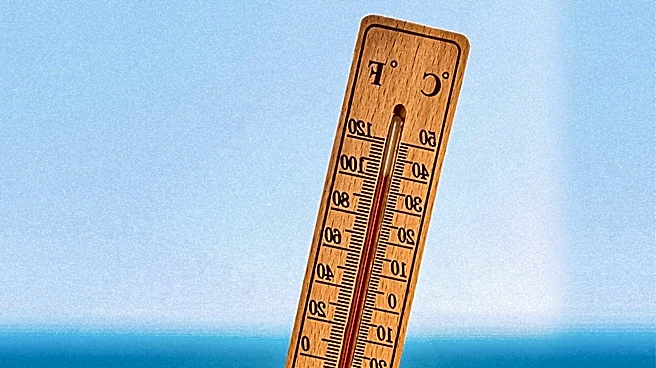
Countries across Europe are grappling with extreme heat waves, exacerbated by climate change, which have led to severe infrastructure stress. The European Union's Copernicus Climate Change Service reports that Europe is warming at twice the global average
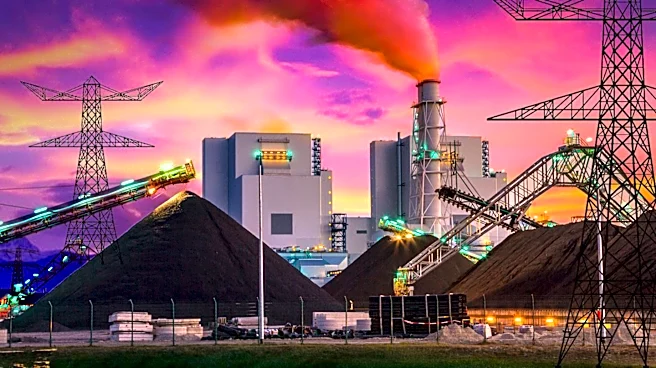
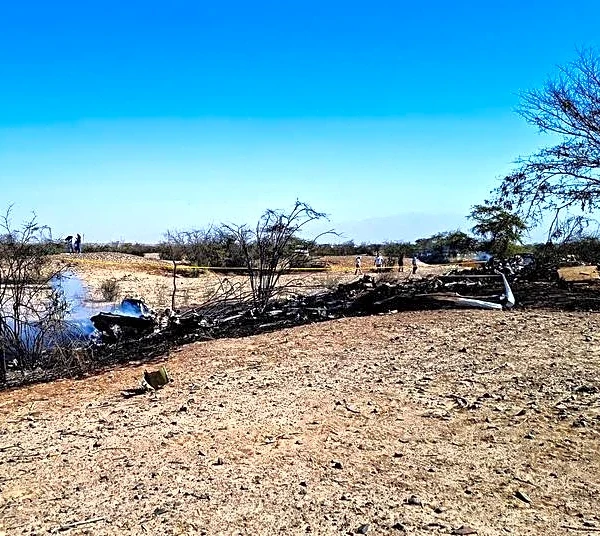
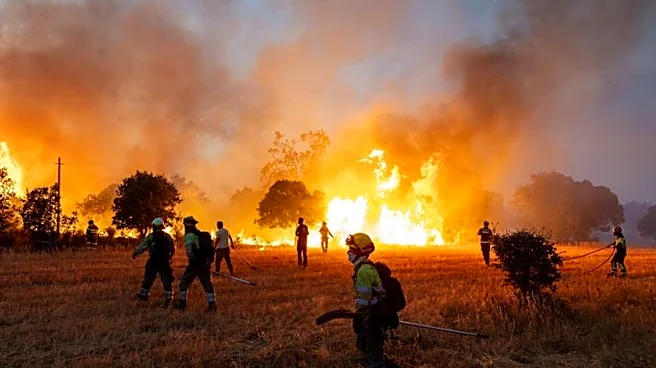
rate since the 1980s. In response, companies like Eurostar are adapting by preparing new fleets of trains capable of withstanding temperatures up to 131 degrees Fahrenheit. Meanwhile, wildfires in France and Spain have forced the evacuation of over 330,000 people. Experts, including Jan Rosenow from the University of Oxford, emphasize that the burning of fossil fuels is the primary driver of these climate changes, and adaptation alone is insufficient.
Why It's Important?
The intensifying climate crisis poses significant risks to infrastructure, public safety, and economic stability in Europe. The increased frequency and severity of extreme weather events threaten to disrupt transportation, energy supply, and public health systems. The situation underscores the urgent need for comprehensive climate policies that address both mitigation and adaptation. The economic implications are vast, affecting industries from transportation to insurance, as businesses face operational challenges and increased costs. The crisis also highlights the global interconnectedness of climate issues, as European responses may influence international climate policy and economic strategies.
What's Next?
The European Commission plans to introduce a new integrated framework for climate resilience and risk management. This framework aims to incorporate climate considerations into various policy areas, including energy, infrastructure, and health. As Europe continues to experience extreme weather, the urgency for effective climate action grows. Policymakers and businesses must collaborate to develop sustainable solutions that reduce reliance on fossil fuels and enhance infrastructure resilience. The ongoing situation may prompt further international cooperation and innovation in climate adaptation strategies.