





What's Happening?
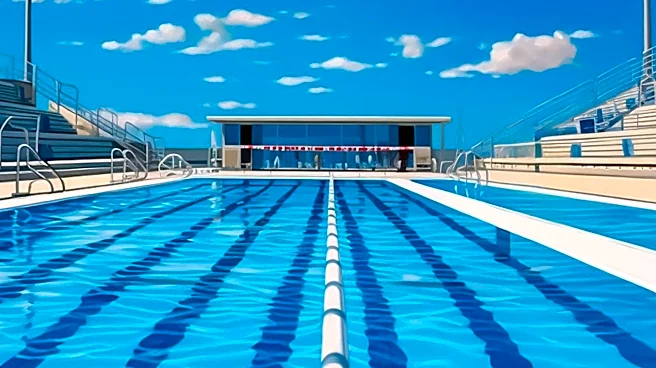
Hillsboro city officials are evaluating two significant aquatic facility projects, each estimated to cost around $50 million. One proposal involves expanding and enclosing the outdoor pool at the Shute Park Aquatic & Recreation Center (SHARC) for year-round
use. The other option is to construct a new aquatic facility at the Hidden Creek Community Center, which was built in 2020 without a pool but with provisions for a future addition. These considerations come after a 2023 survey revealed that residents frequently requested more public pools and aquatic centers due to crowded facilities and difficulties in enrolling children in swimming lessons. The existing SHARC facility faces substantial maintenance challenges, with a draft assessment identifying approximately $70.6 million in necessary repairs and improvements over the next two decades, including issues with roofing, plumbing, electrical systems, and the outdoor pool basin.
Why It's Important?
These proposed aquatic projects are crucial for Hillsboro as they address a long-standing community need for improved and expanded recreational swimming facilities. The current SHARC, Hillsboro’s only city-operated public aquatic center, serves a wide range of users, from recreational swimmers to competitive swim teams and high schools. Its aging infrastructure and significant repair costs highlight a critical public service gap. Investing in either an expanded SHARC or a new Hidden Creek facility would not only enhance community well-being and provide more opportunities for swimming lessons and competitive sports but also potentially stimulate local economic activity through construction and ongoing operations. The decision will impact public access to aquatic recreation, the city's financial planning, and the long-term sustainability of its public facilities, reflecting a commitment to resident quality of life and addressing infrastructure decay.
What's Next?
City staff are scheduled to present a more detailed report on potential funding options to the Hillsboro Parks & Recreation Commission in December, following discussions with city leadership and financial officials. Currently, the city has not identified how it would finance either of the roughly $50 million projects. Preliminary operating projections indicate an annual shortfall of approximately $687,000 for SHARC’s expansion and nearly $2.5 million for a new aquatic facility at Hidden Creek, raising questions about ongoing financial support. A broader assessment of city-owned facilities is expected by late 2026 or early 2027, with an implementation plan and funding priorities anticipated by spring. Commissioners have also raised the possibility of a bond measure as a funding mechanism.
Beyond the Headlines
The debate over funding these aquatic projects in Hillsboro reflects a broader challenge faced by many U.S. municipalities: balancing community desires for enhanced public services with fiscal realities and the need to maintain existing infrastructure. The significant repair costs for SHARC underscore the long-term financial burden of deferred maintenance on public assets. The city's consideration of system development charges as a funding option for expanded capacity, but not for repairs, highlights the complexities of municipal finance and the different funding streams available for new versus existing infrastructure. This situation could set a precedent for how Hillsboro prioritizes and funds future public works, potentially influencing public discourse on taxation, bond measures, and the allocation of resources for community amenities versus essential services.