




What's Happening?
Sen. John Albers, a Republican from Roswell, Georgia, is exploring potential legislation to curb the misuse of Flock camera systems by law enforcement. This initiative comes in response to growing public concern and numerous reports of police officers
allegedly using license plate reader data for personal reasons, such as spying on friends and family. Sen. Albers, who chairs the Senate Public Safety Committee, announced on Tuesday that he is joining a new task force to investigate the necessity of such legislation. Recent incidents include charges against three former officers in Savannah for misuse of a license plate reader system and violation of oath of office, with a fourth employee also facing misuse charges. Other cases in Georgia have involved former law enforcement personnel charged with misuse, stalking, and computer invasion of privacy related to these systems.
Why It's Important?
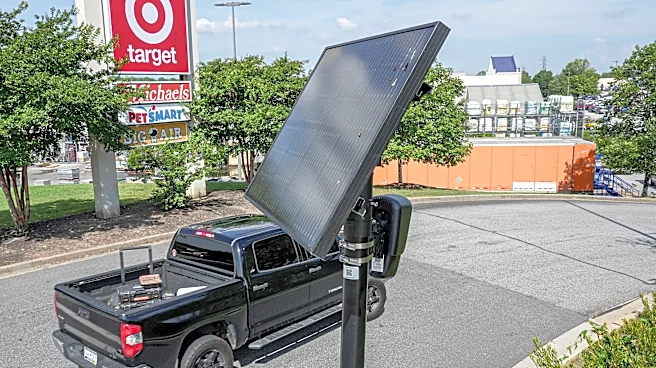
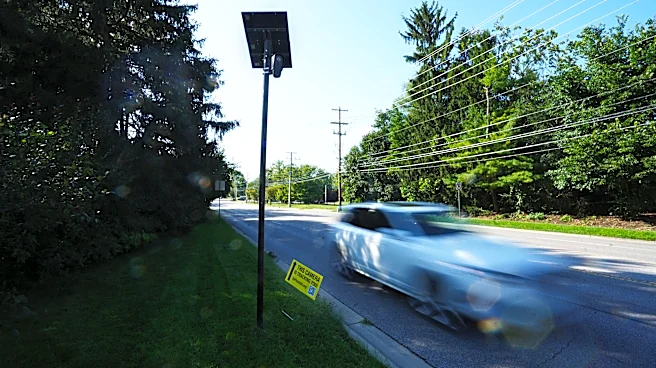
The proliferation of Flock camera systems, which are used in at least 70% of Georgia's cities, has raised significant privacy concerns. While these systems are touted as valuable crime-fighting tools, their potential for misuse by law enforcement poses a threat to civil liberties and public trust. The proposed legislation aims to strike a balance between utilizing technology for public safety and protecting individual privacy rights. The task force's findings and any subsequent legislative actions could set a precedent for how other states regulate the use of license plate reader technology, influencing policies nationwide. The outcome will determine the extent to which law enforcement agencies can access and utilize such data, impacting the relationship between police and the communities they serve.
What's Next?
The task force, formed by the Georgia Association of Sheriffs and the Georgia Association of Chiefs of Police, will deliberate on whether new legislation is required to address the misuse of Flock camera systems. Sen. Albers noted the distinction between legislating Flock cameras on public versus private property, indicating a nuanced approach may be necessary. While he emphasized the value of these cameras in police work, he also acknowledged the paramount importance of public trust. The discussions will likely consider the balance between privacy concerns and the cameras' utility in crime prevention and solving. The task force's recommendations will inform whether any new laws are introduced to regulate the use of this technology, potentially leading to stricter guidelines or oversight mechanisms for law enforcement agencies in Georgia.
Beyond the Headlines
The debate surrounding Flock camera systems extends beyond immediate legislative action, touching upon fundamental questions of surveillance in a democratic society. The widespread deployment of these cameras, which create a vast network of interconnected law enforcement data, raises ethical concerns about mass surveillance and the potential for mission creep. While Flock Safety has recently introduced new accountability and privacy measures, such as reducing default data retention periods and allowing cities to control data search parameters, the core issue of data access and potential abuse remains. The situation highlights the ongoing tension between technological advancements in policing and the protection of individual rights, prompting a broader societal conversation about the appropriate limits of government surveillance and the mechanisms needed to ensure transparency and accountability in the digital age.