







What's Happening?
The U.S. power grid is under significant strain due to unprecedented electricity demand, primarily driven by the expansion of data centers by major technology companies. According to the Energy Information Administration, electricity consumption in the U.S. is projected
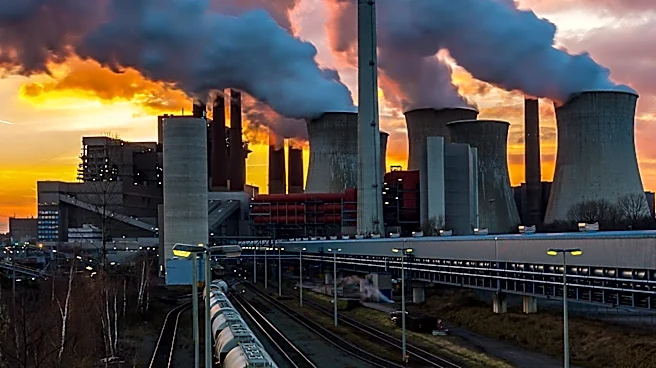
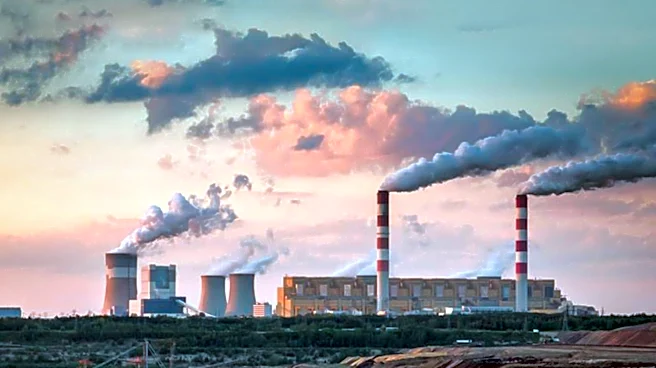
to reach an all-time high this year and continue to rise in 2027. The demand is fueled by the IT industry's growth and the increasing use of artificial intelligence, which requires substantial energy. Despite the growing demand, the current grid infrastructure is outdated, primarily designed around coal and gas power plants, and not equipped to handle the influx of renewable energy sources like wind and solar. This mismatch is causing challenges in efficiently distributing electricity to high-demand areas.
Why It's Important?
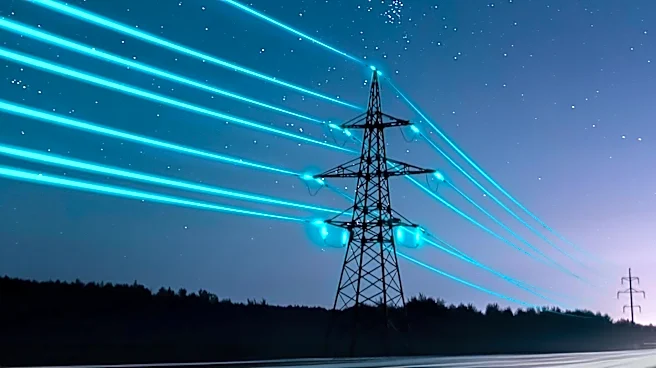
The strain on the U.S. power grid has significant implications for energy security and the transition to renewable energy. As demand continues to rise, the risk of blackouts increases, potentially affecting businesses and consumers. The outdated grid infrastructure poses a barrier to integrating renewable energy sources, which are crucial for reducing carbon emissions and combating climate change. The situation highlights the urgent need for grid modernization, including the expansion of transmission lines and the incorporation of advanced technologies to manage electricity distribution more effectively. Failure to address these issues could hinder economic growth and the U.S.'s ability to meet its climate goals.
What's Next?
To address the challenges facing the power grid, significant investments in infrastructure upgrades are necessary. This includes expanding transmission lines and updating grid technology to accommodate renewable energy sources. Policymakers and industry leaders must collaborate to develop strategies that ensure a reliable and sustainable energy supply. Additionally, regional authorities may require tech companies to secure their own power generation to alleviate grid pressure. The ongoing demand growth will likely prompt further discussions on energy policy and investment priorities in the coming years.