





What's Happening?
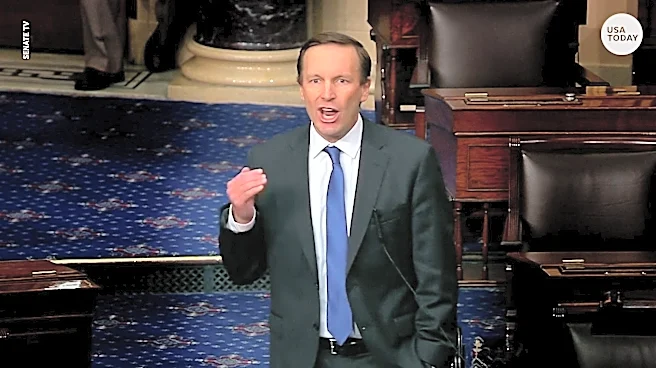
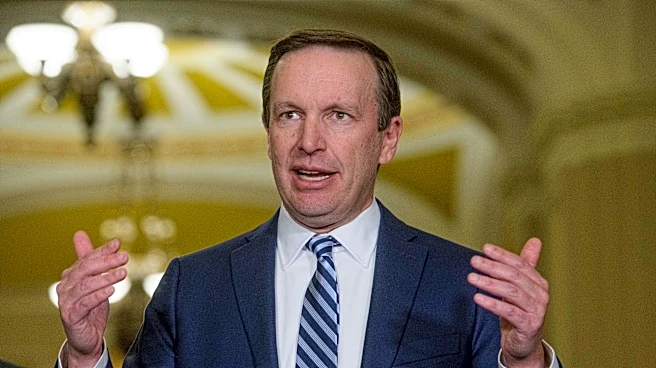
U.S. Senator Richard Blumenthal of Connecticut has publicly expressed his support and well wishes for his colleague, Senator Chris Murphy, who recently suffered a stroke. According to News 12, Senator Murphy's office confirmed that he experienced numbness
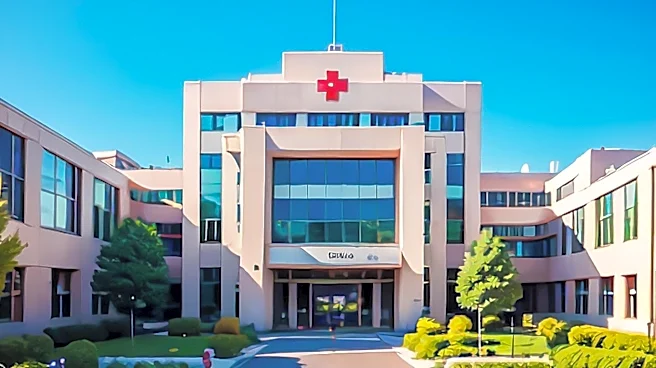
in his arm on Saturday while at his son's hockey game, leading to his hospitalization. He was subsequently transferred to Johns Hopkins for further monitoring and treatment. Senator Blumenthal conveyed his thoughts, stating, “I’m thinking of my great friend and colleague Chris Murphy. I know him to be a fierce fighter, and I am certain that I’ll be welcoming him back to the Senate very soon.” He further added his hope that Senator Murphy would return as the “very fit, energetic, thoughtful and dedicated senator” he has always been. Senator Murphy's chief of staff, Allison Herwitt, reported that he is responding well to treatment, is awake and alert, and doctors are optimistic about a full recovery.
Why It's Important?
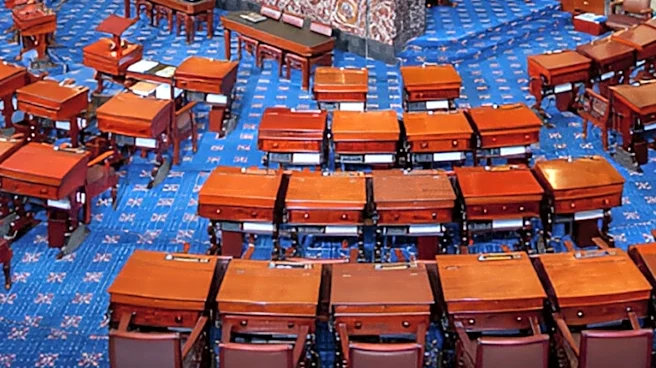
The health of a U.S. Senator is significant as it can impact legislative proceedings and representation for their constituents. Senator Murphy's temporary incapacitation, while hopefully brief, highlights the fragility of political continuity. His role in the Senate, particularly as a Democrat from Connecticut, contributes to the balance of power and legislative agenda. The public support from Senator Blumenthal, a fellow Connecticut Democrat, underscores the collegial, albeit sometimes partisan, nature of the Senate and the personal relationships that exist among members. A senator's absence, even for a short period, can affect committee votes, floor debates, and the advancement of specific legislation they champion. The swift communication from his office and the positive outlook on his recovery aim to reassure constituents and maintain stability in representation.
What's Next?
Senator Chris Murphy is currently recovering at Johns Hopkins, and his office has indicated that he is responding well to treatment. The immediate next steps involve his continued medical care and rehabilitation, with the expectation of a full recovery. While no specific timeline for his return to the Senate has been provided, the optimistic outlook from his medical team and staff suggests that his absence may be temporary. In the interim, legislative duties and constituent services for Connecticut will likely continue to be managed by his staff, potentially with coordination from Senator Blumenthal's office on critical matters. The focus will be on Senator Murphy's health and his eventual return to his full duties as a U.S. Senator.
Beyond the Headlines
This event subtly underscores the human element within the demanding world of politics. Senators, despite their public roles, are susceptible to health challenges, which can unexpectedly disrupt their professional lives and the legislative process. It also highlights the support networks that exist within political circles, as evidenced by Senator Blumenthal's immediate and public well wishes. Such incidents can sometimes foster bipartisan empathy, reminding political figures of their shared humanity beyond policy disagreements. Furthermore, it brings into focus the importance of robust support systems within senatorial offices to ensure continuity of service to constituents even when a senator is temporarily unable to perform their duties. The incident also serves as a reminder of the intense pressures and schedules often maintained by public officials, which can take a toll on personal health.