



What's Happening?
The U.S. Army, through its xTech initiative, is launching the G-TEAD USARPAC ACE 27-01 competition to find innovative autonomous sustainment solutions. This initiative, in partnership with the U.S. Army Pacific, aims to enhance resupply operations in contested
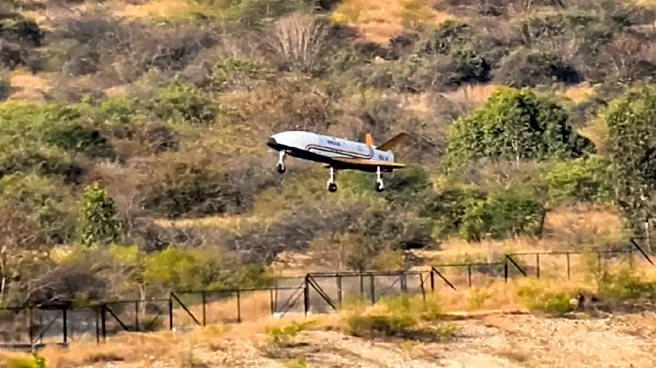
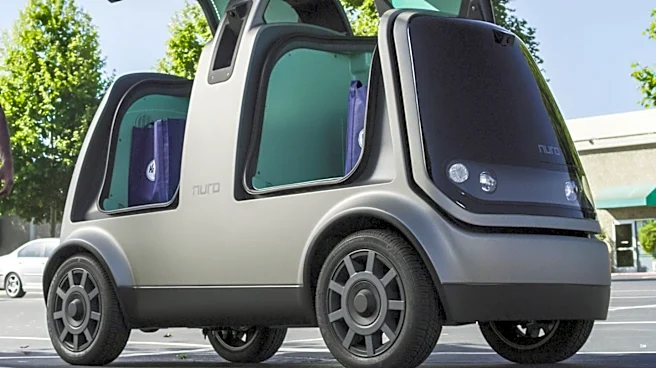
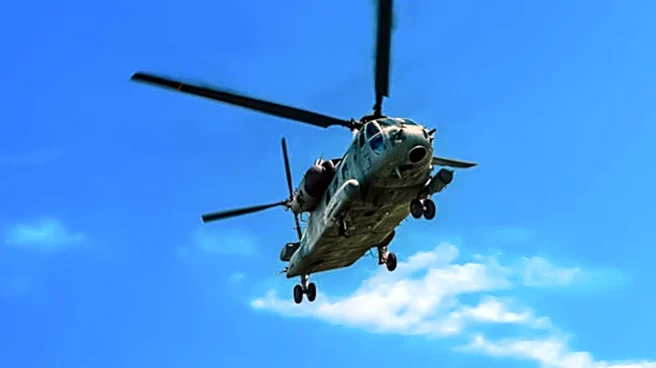
environments. The competition invites small and large businesses to propose technologies that can support distributed operations, focusing on autonomous systems for air, surface, and ground delivery. The competition consists of three phases: application, soldier exercise, and contract proposal submission. Up to $1.5 million in cash prizes will be awarded, with finalists participating in a live soldier exercise. The initiative is part of the Army's broader effort to integrate commercial technologies into military operations and support operational forces.
Why It's Important?
This initiative is significant as it addresses the logistical challenges faced by the military in contested environments, such as island chains. By seeking autonomous solutions, the Army aims to reduce reliance on manned logistics nodes, which are vulnerable in such settings. The competition encourages innovation from non-traditional defense contractors, potentially accelerating the development and deployment of cutting-edge technologies. Successful integration of these technologies could enhance the military's operational capabilities, ensuring more resilient and efficient logistics support. This effort also reflects a broader trend of leveraging commercial innovations to meet military needs, fostering collaboration between the defense sector and private industry.
What's Next?
Following the competition, selected technologies may receive further development and integration into military operations. The Army will evaluate the performance of these technologies during the soldier exercise phase, with potential follow-on contracts for successful solutions. This process could lead to the rapid deployment of autonomous systems in military logistics, enhancing the Army's ability to operate in complex environments. The initiative may also influence future defense procurement strategies, emphasizing the importance of integrating commercial innovations into military applications.