







What's Happening?
Rhoda Gorvin and Antonio Polland of Iowa City have been arrested and are currently in custody at the Johnson County Jail, facing numerous charges of animal torture and neglect. Authorities executed a search warrant on July 2 at their home and a shed,
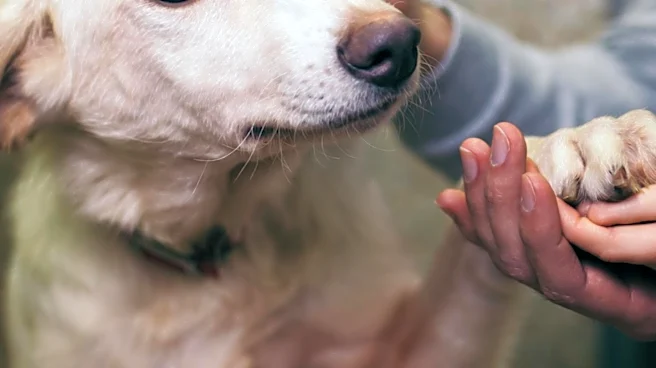
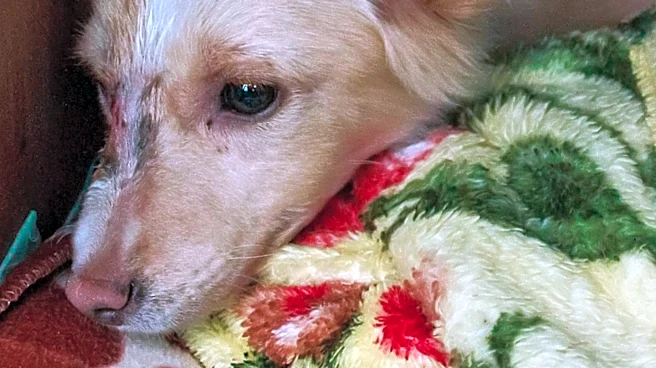
where they discovered 32 dogs confined in kennels. The conditions were described as long-term unsanitary, with the dogs lacking access to food or water. A veterinarian who examined the animals diagnosed one of the dogs with long-term starvation. One of the suspects admitted to operating an unlicensed business, selling dogs from the premises. The investigation is ongoing, and the pair faces dozens of charges related to the severe neglect and mistreatment of the animals.
Why It's Important?
This incident highlights critical issues within animal welfare and public safety, particularly concerning unlicensed animal breeding and sales operations. The discovery of 32 starved and neglected dogs underscores the potential for severe animal cruelty when such businesses operate without proper oversight and regulation. Unlicensed breeders often bypass health and safety standards, leading to inhumane conditions for animals and potential health risks for buyers. This case could prompt increased scrutiny from local authorities on similar operations, potentially leading to stricter enforcement of animal welfare laws and licensing requirements for pet sales. It also serves as a stark reminder to the public about the importance of researching breeders and adoption agencies to ensure ethical practices and the well-being of animals.
What's Next?
Rhoda Gorvin and Antonio Polland remain in custody at the Johnson County Jail, facing dozens of animal torture and neglect charges. The legal process will proceed with court hearings to address these charges. Authorities will likely continue their investigation into the full scope of the unlicensed dog-selling operation, potentially uncovering more details about its duration and reach. The seized dogs will require extensive care and rehabilitation, likely at local animal shelters or rescue organizations, before they can be considered for adoption. This case may also lead to discussions among local lawmakers and animal welfare advocates about strengthening existing regulations or implementing new measures to prevent similar instances of animal cruelty and neglect from occurring in the future.
Beyond the Headlines
Beyond the immediate legal consequences for the individuals involved, this case sheds light on the broader societal challenge of animal exploitation and the ethical responsibilities associated with pet ownership and breeding. The existence of an unlicensed operation selling dogs in such deplorable conditions points to a demand for pets that can sometimes override ethical considerations. This incident could spark a renewed public conversation about the origins of pets, encouraging potential owners to consider adoption from reputable shelters rather than purchasing from potentially unethical sources. It also underscores the need for community vigilance and reporting suspected cases of animal abuse, as early intervention can prevent prolonged suffering for animals caught in such circumstances. The long-term impact on the rescued dogs, both physical and psychological, will require significant resources and dedication from animal welfare organizations.