




What's Happening?
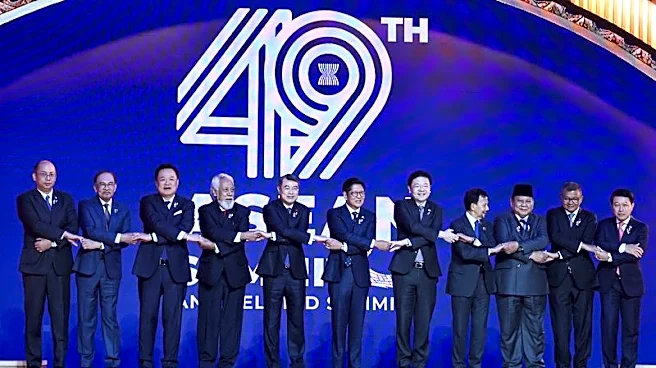
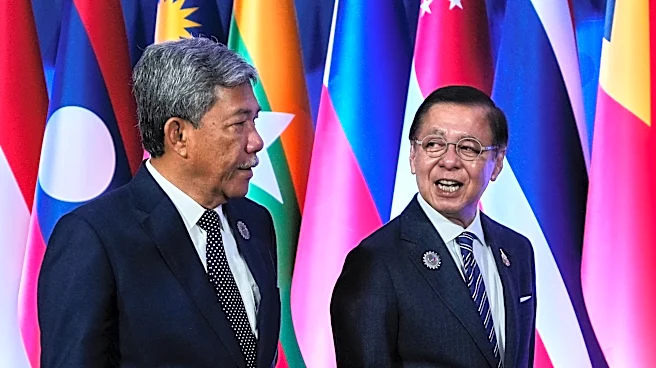
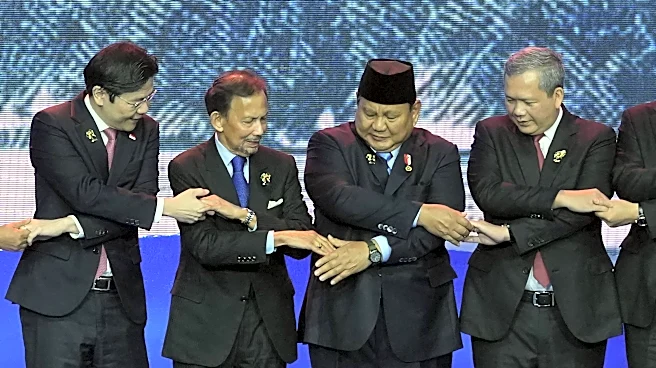
The Association of Southeast Asian Nations (ASEAN) is moving to strengthen its position in the global critical minerals supply chain. During the 49th ASEAN Summit in Manila on November 15, 2026, leaders adopted a declaration to develop an ASEAN Critical
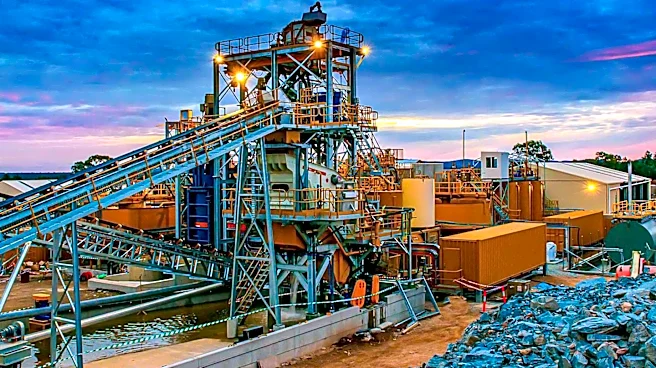
Minerals Strategy. This strategy aims to guide cooperation across the entire minerals value chain, from exploration and extraction to processing, refining, manufacturing, and recycling. ASEAN recognizes its significant critical mineral endowments and its growing importance as a producer, refiner, and consumer of minerals vital for industrial development, the global energy transition, digital transformation, and emerging technologies. The bloc seeks to attract greater investments and expand regional production capabilities to ensure secure, resilient, diversified, and sustainable critical mineral supply chains, which are crucial for the region's long-term development and economic security. The ASEAN Ministerial Meeting on Minerals is tasked with implementing this strategy, including identifying priority actions, investment opportunities, and measurable outcomes.
Why It's Important?
This initiative is significant for global supply chain stability, particularly as critical minerals are essential for numerous advanced technologies and the transition to green energy. By developing a unified strategy, ASEAN aims to become a more resilient and competitive hub for these minerals, potentially reducing global reliance on a single source and diversifying supply chains. For the U.S. and other nations, a stronger ASEAN presence in critical minerals could offer alternative sourcing options, enhancing economic security and mitigating risks associated with geopolitical tensions. The strategy also emphasizes responsible public and private investments, technology transfer, and human capital development, which could lead to more sustainable and ethically sourced minerals. Civil society groups, however, are pressing for legally binding human rights and environmental safeguards, highlighting the need for strict protections for indigenous communities and fair benefit-sharing in mineral development projects.
What's Next?
The ASEAN Ministerial Meeting on Minerals will proceed with developing and implementing the regional strategy, including outlining priority actions and initiatives. This will involve identifying specific investment opportunities and establishing measurable outcomes, with regular progress reports through ASEAN mechanisms. The bloc will also focus on mobilizing responsible public and private investments, potentially through platforms like the ASEAN Minerals Investment Forum and ASEAN Minerals Connect. Concurrently, civil society coalitions will continue to advocate for the integration of enforceable human rights standards, corporate accountability, and contract transparency into the strategy. The U.S.-led Pax Silica initiative, which aims to secure global supply chains for AI, semiconductors, and critical minerals, may also see developments, although no announcements regarding this project were expected during the ASEAN events.
Beyond the Headlines
The push by ASEAN to bolster its role in the critical minerals supply chain reflects a broader global trend towards securing essential resources amid increasing geopolitical competition and the accelerating energy transition. This move could reshape global trade dynamics, potentially shifting influence in the minerals sector. The emphasis on 'circularity and resource efficiency' through recycling and secondary recovery also signals a commitment to sustainable practices, which could set new standards for the industry. However, the tension between economic development and environmental/social safeguards remains a critical underlying issue. The success of ASEAN's strategy will depend not only on attracting investment but also on its ability to implement robust protections for local communities and ecosystems, ensuring that the pursuit of economic gains does not come at the expense of human rights or environmental integrity. This could also influence how other regions approach their own critical mineral strategies.