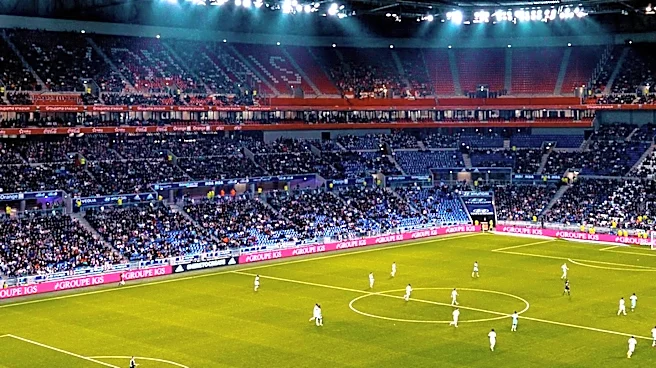










What's Happening?
Residents in U.S. cities hosting the 2026 FIFA World Cup are experiencing increased living costs due to the influx of tourists. A survey by CardRates.com revealed that 76% of residents in 11 host cities reported higher expenses, with some spending an
additional $100 to $300 monthly. Despite this, many local businesses have refrained from raising prices, aiming to maintain community goodwill. The Bank of America Institute noted a 5.4% increase in consumer spending in these cities, driven by nonlocal spending up by 17.4%. While the World Cup brings economic benefits, it also presents financial challenges for residents.
Why It's Important?
The World Cup's economic impact on host cities is significant, boosting local businesses and increasing consumer spending. However, the event also highlights the unintended financial strain on residents, who face higher costs for everyday goods and services. This situation underscores the delicate balance cities must maintain between leveraging major events for economic gain and ensuring affordability for local populations. The experience of these host cities could inform future strategies for managing large-scale events, emphasizing the need for comprehensive planning to mitigate negative impacts on residents.
What's Next?
As the World Cup progresses, host cities will continue to navigate the economic and social dynamics introduced by the event. Local governments and businesses may explore measures to alleviate financial pressures on residents, such as temporary subsidies or community support programs. The long-term effects of the World Cup on local economies and resident satisfaction will likely be evaluated, influencing future decisions on hosting international events. Stakeholders will need to assess the overall benefits and drawbacks to ensure sustainable economic growth and community well-being.