



What's Happening?
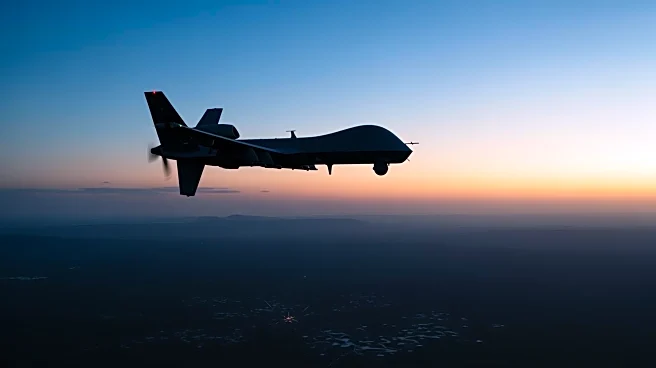
On Christmas Day, U.S. military forces executed airstrikes targeting ISIS positions in Nigeria. This operation was reported by CBS News White House correspondent Willie James Inman. The strikes are part of ongoing efforts by the U.S. to combat ISIS's
influence and operations in various regions, including Africa. The details of the operation, including the specific targets and outcomes, have not been fully disclosed. This military action underscores the U.S.'s commitment to counterterrorism efforts globally, particularly in areas where ISIS has been attempting to establish a foothold.
Why It's Important?
The U.S. strikes against ISIS in Nigeria highlight the persistent threat posed by the terrorist group, even as its influence in the Middle East has waned. By targeting ISIS in Nigeria, the U.S. aims to prevent the group from gaining strength and spreading its ideology in Africa, a region that has seen increasing terrorist activities. This action is significant for U.S. foreign policy and military strategy, as it demonstrates a continued commitment to global security and counterterrorism. The operation also reflects the U.S.'s strategic interest in stabilizing regions that could become breeding grounds for terrorism, which could have broader implications for international security and U.S. interests abroad.
What's Next?
Following the strikes, it is likely that the U.S. will continue to monitor ISIS activities in Nigeria and other parts of Africa closely. The U.S. may increase collaboration with local governments and international partners to strengthen counterterrorism efforts and prevent ISIS from regrouping. Additionally, there could be diplomatic engagements aimed at addressing the root causes of terrorism in the region, such as poverty and political instability. The response from ISIS and its affiliates could also influence future U.S. military and diplomatic strategies in Africa.