









What's Happening?
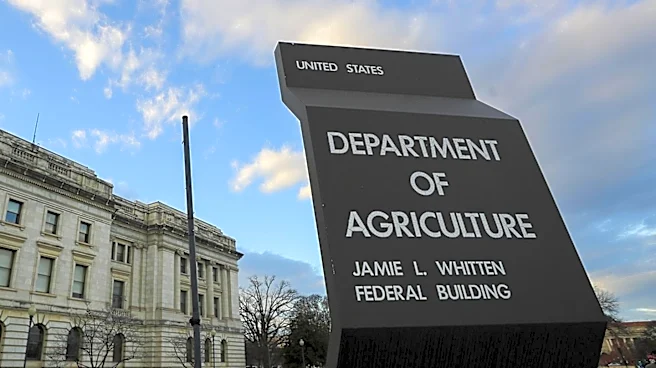
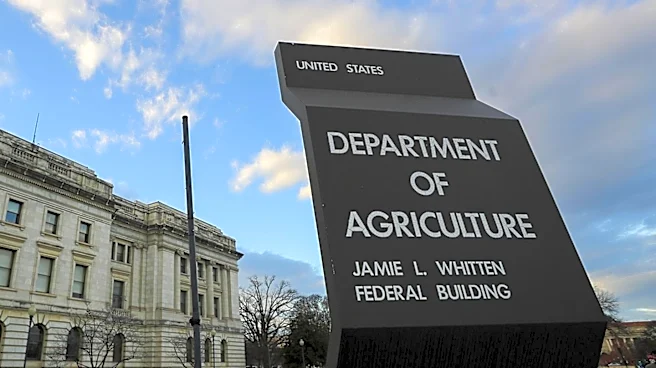
The U.S. Department of Agriculture (USDA), the U.S. Department of Health and Human Services (HHS), and the Environmental Protection Agency (EPA) have updated their Memorandum of Understanding (MOU) to enhance consumer protections against heavy metals
and other contaminants in food. This collaboration, part of the National Residue Program, aims to improve the detection and management of potential risks in meat, poultry, and egg products. The updated MOU introduces new testing methods to reduce metal residues in produce, meat, and processed foods. USDA Secretary Brooke L. Rollins, HHS Secretary Robert F. Kennedy, Jr., and EPA Administrator Lee Zeldin emphasized the importance of this initiative in ensuring food safety and public health. The USDA's Food Safety and Inspection Service (FSIS) has already implemented a new laboratory method to measure 18 heavy metals at low levels, expanding surveillance to include processed foods.
Why It's Important?
This initiative is significant as it addresses growing concerns about food safety and public health. By enhancing detection and management of contaminants, the USDA, HHS, and EPA aim to protect consumers from potential health risks associated with heavy metals in food. This collaboration reflects a broader commitment to improving food safety standards and ensuring that the American food supply is held to the highest safety standards. The initiative also aligns with the Trump Administration's goal of 'Making America Healthy Again,' highlighting the importance of inter-agency cooperation in addressing public health challenges. The updated MOU is expected to boost consumer confidence in the safety of the U.S. food supply, which is crucial for maintaining public trust and supporting the agricultural industry.
What's Next?
The USDA, HHS, and EPA will continue to implement and refine the new testing methods and surveillance strategies outlined in the updated MOU. The FSIS will publish results of its surveillance testing online, ensuring transparency for industry stakeholders and consumers. This ongoing effort will likely involve further collaboration between federal agencies to address emerging food safety challenges and adapt to new scientific findings. The initiative may also prompt other countries to adopt similar measures, potentially influencing global food safety standards. As the agencies work to reduce exposure to harmful contaminants, they may face scrutiny from environmental and consumer advocacy groups, which could impact future policy decisions.