





What's Happening?
The Missouri Department of Transportation (MoDOT) is currently evaluating rural highways across the state for a potential increase in the speed limit to 75 mph. This review follows a new law that allows MoDOT to raise speed limits on eligible rural highways,
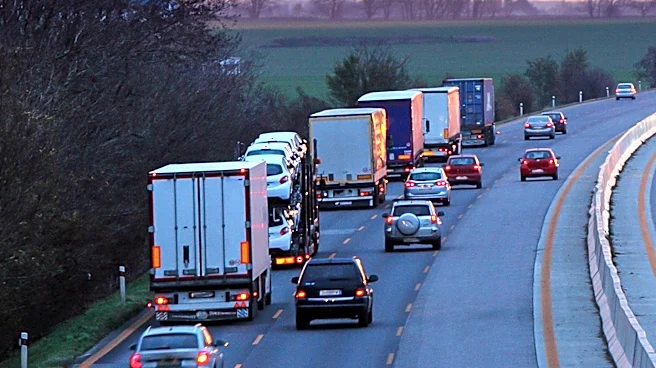
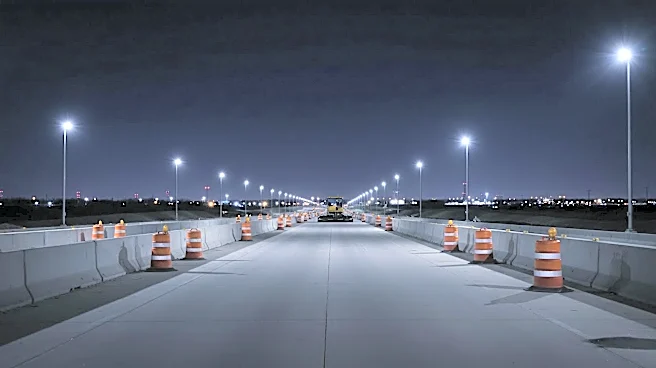
with an effective date of August 28. No changes will be implemented until the comprehensive evaluation is complete. MoDOT Director Ed Hassinger emphasized the need to balance efficient traffic movement with safety, stating that careful consideration is being given to each potential location, including roadway characteristics and usage patterns. The evaluation process involves assessing several factors such as current and truck traffic volumes, crash history, terrain, road design, the presence of safety countermeasures, and existing speed limits in neighboring states near the border. Interstate 70 is specifically excluded from this speed limit increase during its ongoing rebuild and expansion under the Improve I-70 Program, with reevaluation planned upon the program's completion.
Why It's Important?
This potential increase in speed limits on Missouri's rural highways could significantly impact transportation efficiency and safety within the state. For commuters and commercial drivers, higher speed limits could lead to reduced travel times, potentially boosting economic activity by facilitating faster movement of goods and services. However, the emphasis on safety by MoDOT highlights the inherent risks associated with increased speeds, which could lead to a rise in traffic accidents if not carefully managed. The evaluation of factors like crash history and road design is crucial to mitigate these risks. The exclusion of Interstate 70 during its reconstruction underscores a commitment to public safety during major infrastructure projects, preventing potential hazards that could arise from combining higher speeds with active construction zones. This initiative reflects a broader trend in some U.S. states to adjust speed limits based on modern road engineering and traffic flow studies, aiming to optimize travel while maintaining acceptable safety standards.
What's Next?
MoDOT anticipates completing its review of eligible locations for the 75 mph speed limit increase by the end of the year. Following this review, an update on the path forward will be provided, indicating which specific rural highways will see the elevated speed limits. In the interim, MoDOT Director Ed Hassinger urges all drivers to adhere to currently posted speed limits, particularly in the numerous work zones across the state. This directive is critical for ensuring safety during the transition period and while infrastructure improvements are underway. The reevaluation of Interstate 70's speed limit will occur only after the completion of the Improve I-70 Program, suggesting that any changes to this major corridor are still several years away. Stakeholders, including trucking companies, local businesses, and public safety advocates, will be closely watching MoDOT's announcements for the specific routes affected and any accompanying safety measures.
Beyond the Headlines
The decision to potentially raise speed limits on rural highways in Missouri touches upon a complex interplay of engineering, public policy, and societal behavior. While the immediate goal is to enhance traffic efficiency, there are deeper implications regarding driver responsibility and the evolving perception of road safety. Higher speed limits often spark debates about the balance between individual freedom to travel quickly and the collective responsibility to prevent accidents. This move could also influence vehicle design and safety technology, as manufacturers might face increased pressure to develop cars that perform safely at higher speeds. Furthermore, the long-term environmental impact, such as changes in fuel consumption and emissions due to altered driving patterns, could become a subject of future scrutiny. The careful, data-driven approach by MoDOT in evaluating each segment of highway suggests a recognition of these broader implications, aiming for a policy that is both effective and sustainable.