





What's Happening?
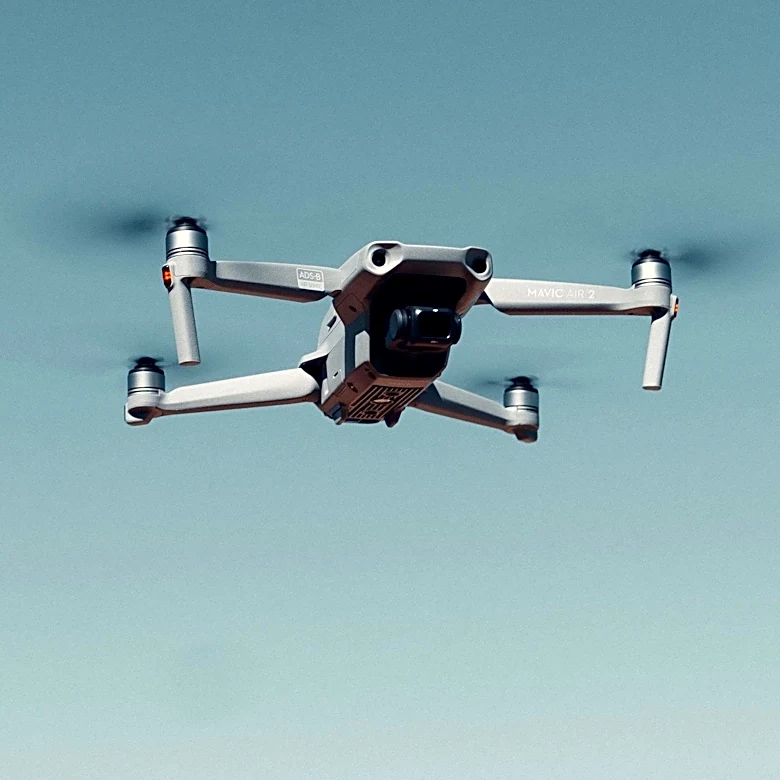
An explosive-laden drone discovered near a Ukrainian cargo aircraft at Germany’s Leipzig/Halle Airport earlier in August showed characteristics associated with devices used by Russia’s military intelligence agency (GRU). This assessment was reported by ABC
News on August 27, citing a U.S. intelligence assessment. A U.S. intelligence official, briefed on the investigation, stated that both the explosives attached to the drone and its construction were 'typical' of those previously linked to the GRU. This assessment was made in coordination with German security and intelligence agencies investigating the incident. The investigation stems from an incident on August 5, when a drone believed to be fitted with an explosive device was found near a Ukrainian An-124 cargo aircraft on the airport apron. Subsequently, another drone with traces of explosives was found in a field near the airport in Kabelsketal on August 14, reportedly the third linked to the case. Preliminary analysis of a substance found at the site suggested traces of RDX, a powerful military-grade explosive.
Why It's Important?
This incident is significant as it suggests a potential act of sabotage targeting Ukrainian assets on German soil, with direct links to Russian military intelligence. If confirmed, it would represent a serious escalation of covert operations by Russia against Ukraine's logistical support network, extending the conflict beyond direct combat zones. The use of military-grade explosives like RDX further underscores the gravity of the threat. This development could strain international relations, particularly between Germany, the U.S., and Russia, and may prompt increased security measures at critical infrastructure points across Europe. It also highlights the evolving nature of modern warfare, where drone technology is increasingly employed for clandestine and potentially destructive purposes, posing new challenges for counter-intelligence and defense strategies. The involvement of the GRU, a known entity for such operations, adds a layer of concern regarding state-sponsored aggression.
What's Next?
German investigators are continuing to examine several drones potentially connected to the suspected sabotage plot. The ongoing investigation will likely focus on definitively identifying the perpetrators and their precise motives. Depending on the findings, there could be diplomatic repercussions, including potential sanctions or condemnations against Russia. Security protocols at airports and other critical infrastructure in Germany and potentially across NATO countries may be reviewed and enhanced to counter similar threats. The incident could also lead to increased intelligence sharing and cooperation among allied nations to address the growing challenge of drone-based threats and state-sponsored covert operations. Further public statements from German and U.S. officials are anticipated as the investigation progresses, potentially revealing more details about the incident and any planned responses.
Beyond the Headlines
The incident raises deeper questions about the boundaries of conflict and the use of asymmetric warfare tactics. The targeting of a cargo plane in a neutral country's airport blurs the lines between conventional warfare and acts of terrorism or sabotage, potentially setting a dangerous precedent for international security. It also underscores the vulnerability of civilian infrastructure to sophisticated drone attacks, prompting a re-evaluation of existing defense mechanisms and intelligence capabilities. The alleged involvement of the GRU highlights the persistent threat of state-sponsored covert actions designed to destabilize adversaries without direct military confrontation. This event could accelerate the development and deployment of advanced counter-drone technologies and strategies, as nations grapple with protecting their assets from increasingly sophisticated and stealthy aerial threats. The ethical implications of such attacks, particularly when they occur in civilian areas, will also likely be a subject of international debate.