



What's Happening?
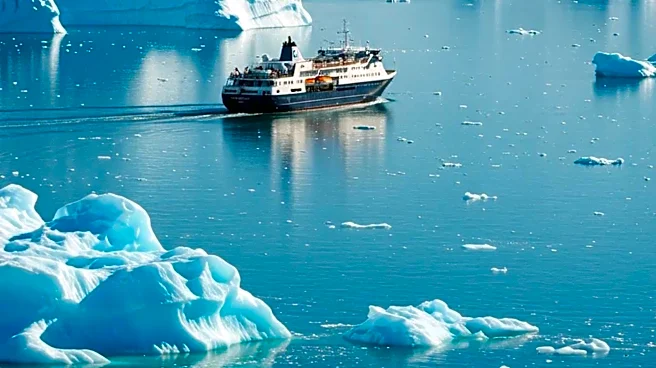
The government of Greenland, Naalakkersuisut, has issued a recommendation for cruise operators to reduce or avoid sailing through certain fjords. This guidance follows complaints from local residents regarding the impact of cruise ships on their communities
and the environment. Concerns raised include noise pollution, adverse effects on wildlife, and the desire to preserve natural areas vital for recreation, hunting, and fishing. Naalakkersuisut is asking cruise lines, ship captains, and industry stakeholders to consider these local conditions when planning their itineraries. This recommendation is a proactive measure to mitigate the negative consequences of increased cruise tourism in Greenland's vulnerable natural areas. The government emphasized that the purpose is to limit environmental impact and respect the local population's wishes to maintain the recreational and subsistence values of these regions.
Why It's Important?
This development highlights a growing tension between the economic benefits of tourism and the preservation of natural environments and local cultures, a challenge faced by many popular destinations globally. For the U.S. cruise industry, which includes major brands like Carnival, Oceania, and Celebrity that visit Greenland, this recommendation could necessitate adjustments to their itineraries and operational practices. It underscores the increasing scrutiny on the environmental footprint of large cruise vessels and the demand for more sustainable tourism. The potential for formal restrictions, currently under development through zoning rules, could set a precedent for other sensitive ecosystems worldwide. This situation also reflects a broader societal shift towards prioritizing environmental protection and community well-being over unchecked tourism growth, potentially influencing future travel regulations and consumer choices.
What's Next?
Naalakkersuisut and Greenland's municipalities are actively developing zoning rules under the Tourism Act. These rules will formally establish which areas are open to cruise tourism and which will face restrictions. This regulatory framework is being crafted with input from residents, businesses, and other stakeholders, and will undergo a public consultation process before taking effect. While the current measure is a recommendation, it signals a clear intent for more formal regulations in the future. Cruise lines operating in the region will likely need to adapt their routes and practices to comply with these evolving guidelines. The outcome of these zoning rules could influence the future of cruise tourism in Greenland, potentially leading to reduced port calls in certain areas or the implementation of stricter environmental protocols for vessels.
Beyond the Headlines
The situation in Greenland reflects a broader global debate about the sustainability of mass tourism, particularly in fragile ecosystems. It brings to light the ethical considerations of tourism development, where the economic benefits must be weighed against environmental degradation and the disruption of local ways of life. The call for cruise ships to 'steer clear' of certain areas touches upon the concept of 'overtourism' and the need for destinations to manage visitor numbers and types of tourism to maintain their authenticity and ecological balance. This could lead to a re-evaluation of cruise industry practices, encouraging a shift towards smaller, more environmentally conscious expedition cruises, or a greater emphasis on 'leave no trace' principles. The long-term implications could include a global trend towards more regulated and sustainable tourism models, impacting how destinations market themselves and how travelers choose to explore the world.