




What's Happening?
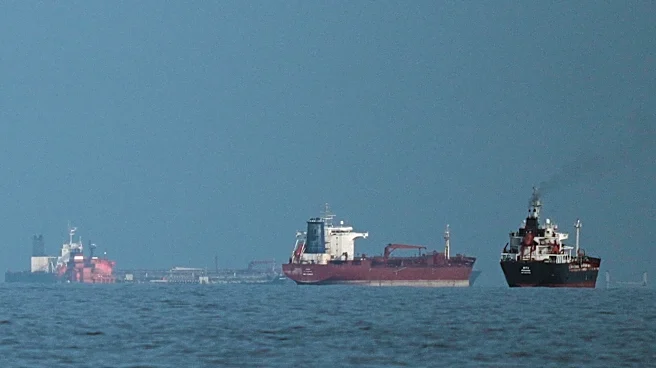
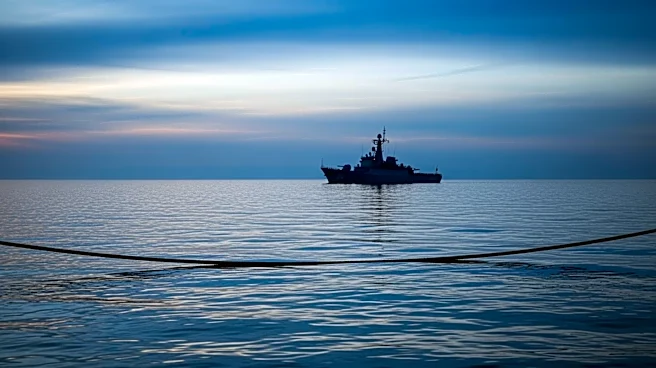
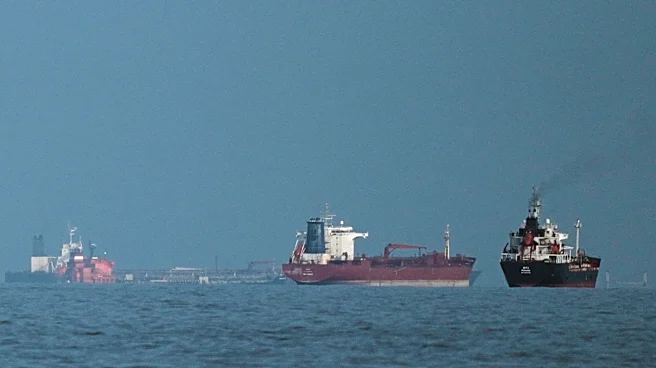
The U.S. Central Command has announced that American forces will commence a blockade of maritime traffic to and from Iranian ports starting Monday morning. This strategic move is part of ongoing tensions between the United States and Iran, aimed at exerting
pressure on Iran's maritime activities. The blockade is expected to impact shipping routes and could have significant implications for international trade and regional stability. The announcement comes amid heightened geopolitical tensions and follows a series of diplomatic and military maneuvers in the region.
Why It's Important?
The blockade of Iranian ports by U.S. forces represents a significant escalation in the geopolitical tensions between the United States and Iran. This action could disrupt global oil supply chains, potentially leading to increased oil prices and economic repercussions worldwide. The blockade also raises concerns about the potential for military confrontations in the region, which could further destabilize the Middle East. The move is likely to draw reactions from international stakeholders, including allies and adversaries, and could influence diplomatic relations and negotiations involving Iran's nuclear program and regional influence.
What's Next?
The implementation of the blockade is expected to prompt responses from Iran and other countries with vested interests in the region. Diplomatic efforts may intensify as stakeholders seek to address the potential economic and security implications of the blockade. The international community will likely monitor the situation closely, with possible calls for negotiations or interventions to prevent further escalation. The U.S. government may also face domestic and international scrutiny regarding the decision to enforce the blockade and its potential consequences.