






What's Happening?
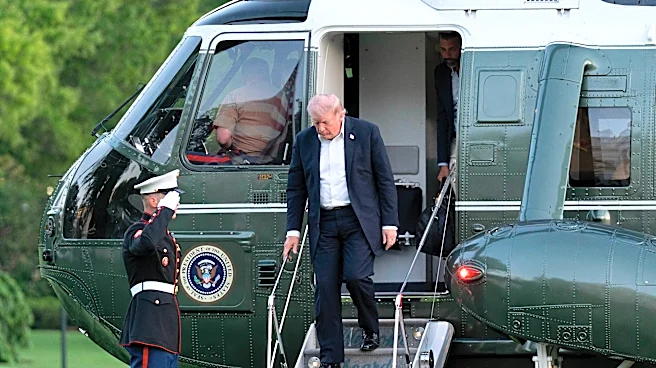
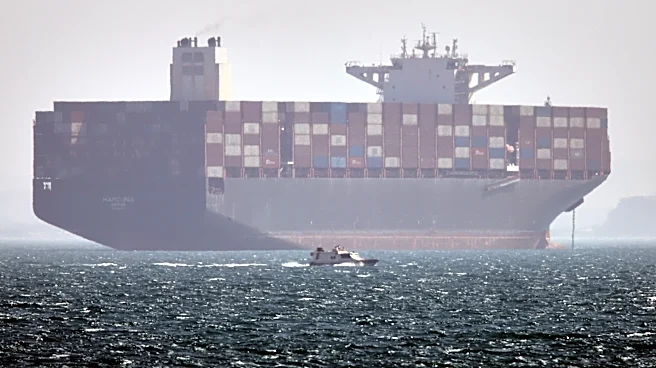
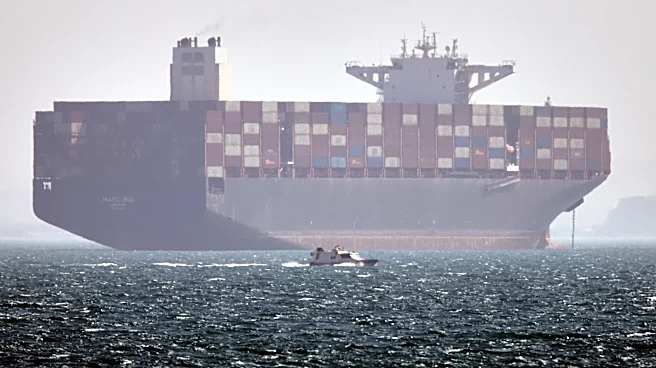
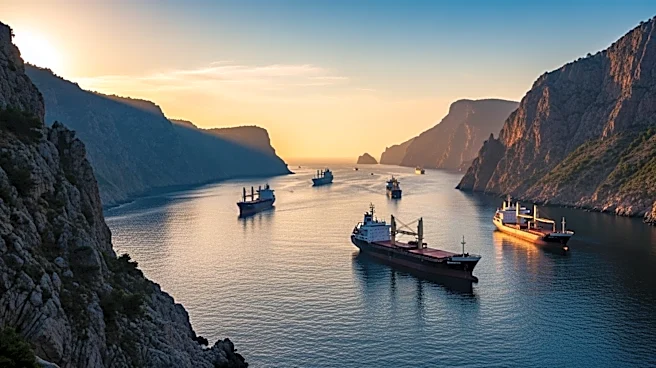
President Trump has intensified efforts to reach a peace agreement with Iran, threatening renewed military action if a deal is not achieved. The conflict, which has persisted for two months, has led to significant disruptions in oil and natural gas shipments
due to the closure of the Strait of Hormuz. The U.S. military recently engaged an Iranian oil tanker attempting to bypass an American blockade. Despite a fragile ceasefire, in-person negotiations hosted by Pakistan have yet to yield a resolution. Trump has expressed optimism about the potential for a deal, though he has not provided specific details or timelines. Pakistan remains hopeful for a peaceful resolution, emphasizing ongoing diplomatic efforts.
Why It's Important?
The conflict has significant implications for global oil markets, as the Strait of Hormuz is a critical chokepoint for oil transportation. Prolonged disruptions could exacerbate global energy prices, impacting economies worldwide. The U.S. strategy and its potential military actions could further strain international relations, particularly with countries reliant on Middle Eastern oil. A resolution could stabilize markets and reduce geopolitical tensions, benefiting global economic stability. However, failure to reach an agreement could lead to escalated military conflict, with broader implications for regional and global security.
What's Next?
The international community is closely monitoring the situation, with potential diplomatic interventions from other nations. The U.S. and Iran may continue negotiations, possibly involving third-party mediators to facilitate dialogue. The outcome of these talks could influence future U.S. foreign policy and military strategy in the region. Additionally, global markets will react to developments, with potential volatility in oil prices based on the perceived likelihood of a resolution.