





What's Happening?
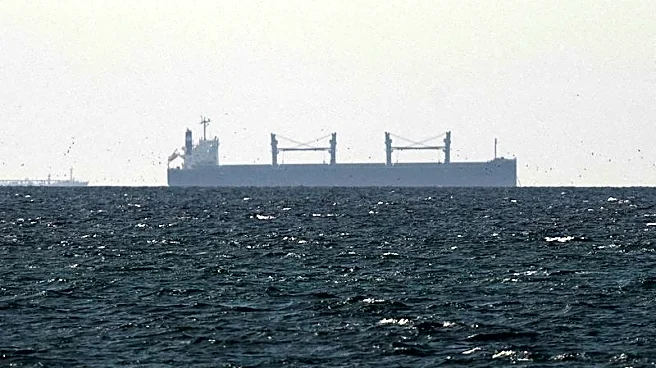
The Strait of Hormuz, a critical chokepoint for global oil supply, is once again at the center of geopolitical tensions, affecting global manufacturing and supply chains. Approximately one-fifth of the world's oil supply passes through this narrow waterway
daily. Recent tensions have led to increased uncertainty in crude oil prices, which in turn affects fuel costs and freight rates. This volatility is causing disruptions in manufacturing, particularly in China, where factories are struggling to manage fluctuating costs. Manufacturers are facing rising outbound shipping costs and increased expenses for importing raw materials. As a result, many are opting to reduce output and wait for conditions to stabilize. This situation is compounded by a broader trend of supply chain diversification, as companies seek to reduce their reliance on China by investing in secondary production capacities in countries like Vietnam, Indonesia, and India.
Why It's Important?
The current situation in the Strait of Hormuz highlights the fragility of global supply chains, which were designed for efficiency under stable conditions. The convergence of energy volatility, geopolitical uncertainty, and softening consumer demand in Western markets is challenging these systems. Companies are now re-evaluating their logistics strategies, moving away from just-in-time manufacturing to more robust models that include larger inventories and diversified supplier bases. This shift represents a fundamental change in how resilience is valued in supply chains. Additionally, the diversification away from China presents opportunities for other regions, such as Africa, to attract manufacturing investments by offering stable operating environments and competitive logistics. The ongoing tensions in the Strait of Hormuz are accelerating these trends, which could have long-term implications for global trade and economic stability.
What's Next?
As tensions in the Strait of Hormuz continue, manufacturers and logistics operators will likely maintain a cautious approach, focusing on flexibility and resilience. Companies may continue to diversify their supply chains to mitigate risks associated with geopolitical instability and energy price fluctuations. Policymakers in regions looking to attract manufacturing investments will need to act swiftly to capitalize on the opportunities presented by the shift away from China. The situation also underscores the need for global cooperation to ensure the security of critical trade routes like the Strait of Hormuz. In the short term, businesses will need to navigate the challenges posed by volatile oil prices and adjust their strategies accordingly to maintain competitiveness in the global market.