



What's Happening?
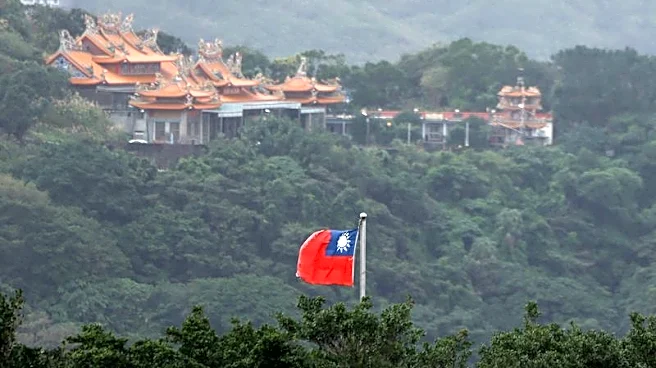
Honolulu Mayor Rick Blangiardi embarked on a 10-day trip to China this past spring, costing taxpayers approximately $30,000, with the primary goal of securing giant pandas for the Honolulu Zoo. The mayor and his wife, who is from Beijing, traveled to three
cities, meeting with high-ranking Chinese officials, visiting Fuzhou Panda World, and engaging in diplomatic discussions. This initiative, dubbed 'panda diplomacy,' aims to significantly increase zoo attendance, which Mayor Blangiardi believes could triple the current 500,000+ annual visitors, allowing for reinvestment in the zoo. The arrangement would involve an annual fee of at least $1 million to the Chinese government for a pair of pandas, with the final approval resting with Chinese President Xi Jinping. The Honolulu Zoo, which regained its national accreditation in 2020 after losing it in 2016, is working to assure China of its capability to provide exceptional care for the animals.
Why It's Important?
This 'panda diplomacy' effort by Mayor Blangiardi carries significant implications for Honolulu's tourism, economy, and international relations. Securing giant pandas could transform the Honolulu Zoo into a major international attraction, drawing tourists and boosting local businesses. The projected increase in zoo attendance and revenue would provide crucial funding for zoo improvements and conservation efforts. Beyond the economic benefits, the initiative serves as a unique form of soft diplomacy, potentially strengthening ties between the U.S. and China at a municipal level, even amidst broader geopolitical tensions. The process highlights China's strategic use of pandas as symbols of goodwill and cultural exchange. For Honolulu, successfully hosting pandas would elevate its global profile and demonstrate its commitment to wildlife conservation, while also navigating the complexities of international agreements and the high standards required for panda care.
What's Next?
The Honolulu Zoo is currently working to meet China's rigorous standards for panda care, a crucial step before any final agreement can be reached. Zoo Director John Berry indicated that the likelihood of success is 'leaning yes,' but the process involves extensive negotiations and assessments. If approved, pandas could arrive at the Honolulu Zoo within two years. The zoo plans to fund the annual $1 million lease fee through wealthy benefactors rather than taxpayer money. Staff will undergo specialized training at existing panda-hosting facilities to prepare for their arrival. The success of this initiative also hinges on the broader U.S.-China relationship, as panda loans are often influenced by diplomatic considerations. The ongoing legal challenge against the Honolulu Zoo regarding its elephant enclosures could also impact perceptions of its animal care capabilities.
Beyond the Headlines
The pursuit of giant pandas by Honolulu delves into deeper themes of cultural diplomacy, conservation ethics, and the economic valuation of wildlife. 'Panda diplomacy' is a powerful tool for China, allowing it to project soft power and foster goodwill, while also subtly influencing international perceptions. The high cost and stringent requirements for hosting pandas raise questions about the allocation of resources in zoos and the ethical considerations of displaying endangered species. Critics might argue that funds could be better spent on local conservation efforts or improving existing animal welfare. However, the immense popularity of pandas can also serve as a powerful educational tool, raising global awareness about conservation and inspiring public engagement. The Honolulu Zoo's journey to acquire pandas will not only test its operational capabilities but also its ability to balance economic aspirations with ethical responsibilities, potentially setting a precedent for other cities seeking similar diplomatic and tourism boosts.