



What's Happening?
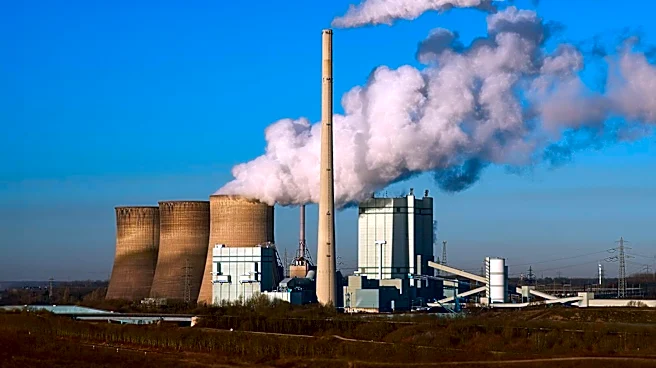
The Trump administration has repealed an Environmental Protection Agency (EPA) rule aimed at cutting emissions from power plants. This action is part of a broader effort to dismantle renewable energy initiatives and promote the coal industry. This move
comes despite a summer of extreme weather events, including record-breaking heatwaves in the U.S., which have intensified concerns about climate change. The administration's stance contrasts with the scientific consensus on global warming and the need for emissions reductions. Critics argue that this repeal undermines efforts to combat climate change and could have long-term environmental consequences. The decision aligns with the administration's previous actions to roll back environmental regulations.
Why It's Important?
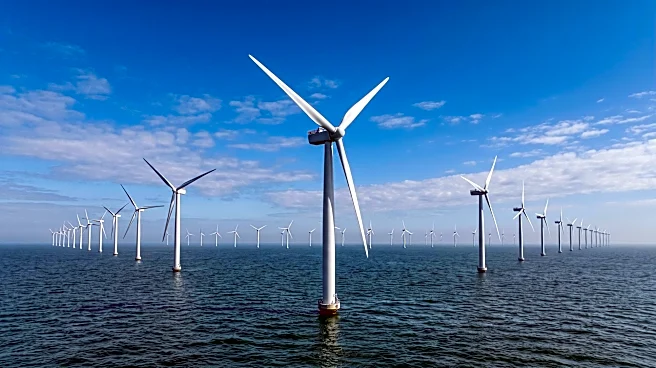
This repeal is significant because it reverses a key environmental protection measure designed to mitigate climate change. By dismantling regulations on power plant emissions, the Trump administration is prioritizing the interests of the fossil fuel industry, particularly coal, over environmental protection and public health. This could lead to increased air pollution and a greater contribution to greenhouse gas emissions, potentially exacerbating the effects of climate change. The decision also signals a departure from international efforts to transition to cleaner energy sources, potentially impacting the U.S.'s standing in global climate discussions. For the energy sector, it could mean a temporary boost for coal-fired power plants, but it may also deter investment in renewable energy technologies, which are increasingly seen as the future of energy production.
What's Next?
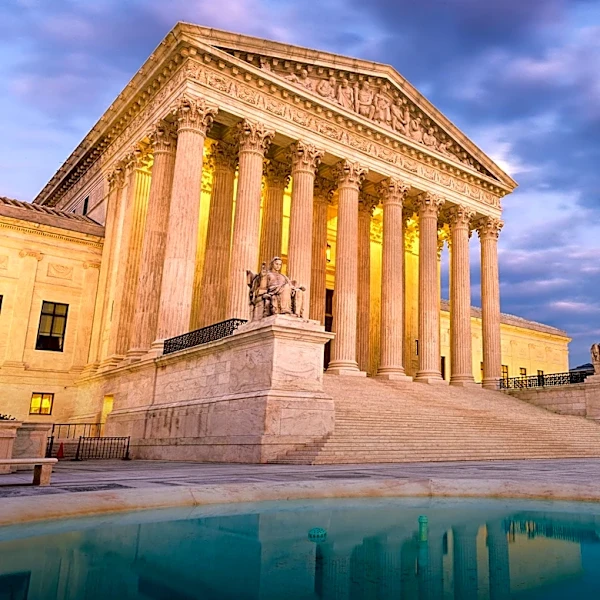
The repeal of the EPA rule is likely to face legal challenges from environmental groups and states committed to climate action. These challenges could lead to prolonged court battles, potentially delaying the full implementation of the administration's policy. Additionally, the long-term economic viability of the coal industry remains uncertain, even with reduced regulations, due to market forces favoring cheaper and cleaner energy sources. The political landscape surrounding climate change is also expected to remain highly contentious, with future administrations potentially reversing these policies once again. The public's growing awareness of extreme weather events may also increase pressure on policymakers to address climate change more aggressively.
Beyond the Headlines
This policy shift highlights a deeper ideological divide regarding the role of government in environmental regulation and the balance between economic growth and ecological preservation. The administration's approach suggests a belief that environmental regulations hinder economic prosperity, a view often contested by those who argue that green technologies and sustainable practices can drive new economic opportunities. The decision also raises ethical questions about intergenerational equity, as the consequences of increased emissions will disproportionately affect future generations. Furthermore, it underscores the influence of powerful industry lobbies on policy-making and the challenges of achieving consensus on complex issues like climate change in a polarized political environment.