







What's Happening?
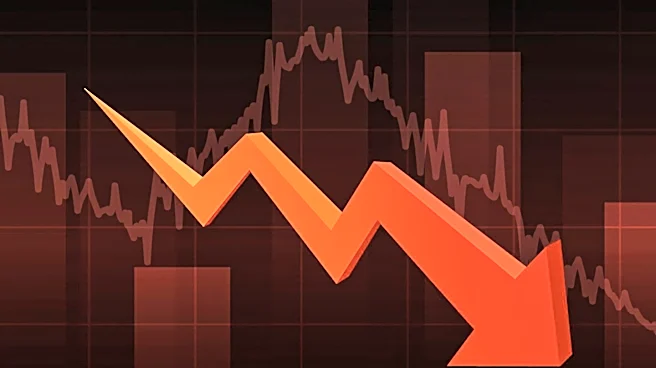
The FAO Food Price Index, a benchmark for world food commodity prices, registered a 1.2% decline in October, reaching 133.9 points. This decrease was primarily driven by lower prices for cereals, dairy, and meat, which more than offset a significant rise
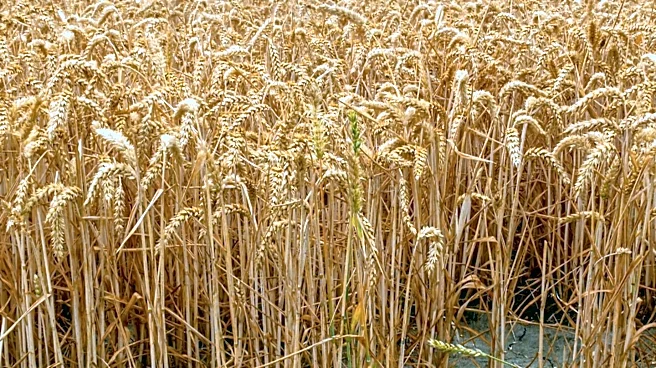
in sugar prices and a marginal increase in vegetable oils. Cereal prices, including wheat and maize, fell due to subdued international demand, improved production outlooks, and expectations of eased Black Sea export constraints. Wheat prices declined after four consecutive monthly increases, while international maize quotations weakened following a three-year high. The FAO Meat Price Index also saw a 1.2% decrease, with pig, ovine, and bovine meats declining, while poultry prices remained stable. The FAO Dairy Price Index decreased by 1.1% due to ample supplies and subdued buying interest for butter and cheese. Conversely, the FAO Sugar Price Index surged by 6.6%, marking its fourth consecutive monthly increase and reaching its highest level since December 2024.
Why It's Important?
The fluctuation in global food prices has significant implications for consumers and economies worldwide. While a general decline in the overall food price index might offer some relief to consumers, the sharp increase in sugar prices could impact food manufacturers and consumers of sugar-containing products. The decline in cereal prices, particularly wheat and maize, could benefit countries that are major importers of these staples, potentially easing inflationary pressures on basic food items. However, the surge in sugar prices, driven by supply disruptions in Brazil and concerns about production prospects in other key regions, highlights the vulnerability of specific commodity markets to weather events and geopolitical factors. These price shifts can influence trade balances, food security, and the cost of living, especially in regions heavily reliant on imported food or those with high sugar consumption.
What's Next?
The FAO's forecast indicates that global cereal production is expected to retreat from its 2025 record in 2026, though it will remain at its second-highest level on record. Production is anticipated to fall across all major cereal categories, most notably for wheat, with rice production set to contract for the first time in four seasons due to poor producer margins and El Niño-related adverse weather conditions. The continued disruptions to sugarcane harvesting in Brazil and concerns about production prospects in India, the EU, and Thailand for the 2026/27 season suggest that sugar prices may remain elevated or continue to rise. Monitoring these production forecasts and weather patterns will be crucial for understanding future price movements in global food markets and their potential impact on consumers and agricultural sectors.
Beyond the Headlines
The divergent trends in global food commodity prices underscore the complex interplay of supply, demand, and external factors. While the overall index shows a decline, the significant surge in sugar prices points to underlying vulnerabilities in specific agricultural supply chains. This situation highlights the importance of diversified agricultural production and resilient supply chains to mitigate the impact of localized disruptions. The influence of weather phenomena like El Niño on crop yields, as well as geopolitical factors affecting export flows, demonstrates the interconnectedness of global food systems. These dynamics can lead to uneven impacts on different populations, with lower-income households often disproportionately affected by price increases in essential commodities like sugar, which is a common ingredient in many processed foods.