



What's Happening?
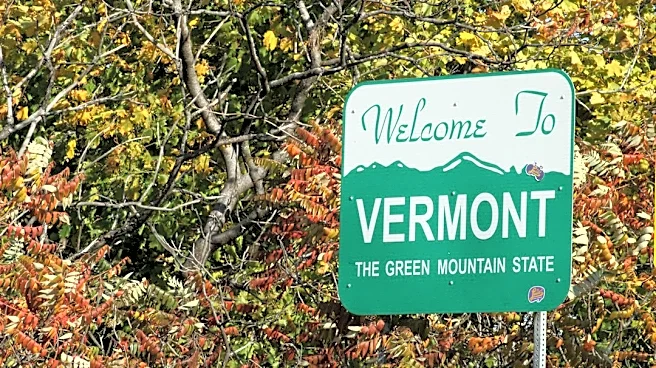
Vermont Medicaid is implementing new eligibility rules, set to affect nearly 50,000 Vermonters. The first phase of changes began on October 1, preventing certain immigrants, primarily adult refugees and asylum seekers, from receiving Medicaid. This initial
change is estimated to impact approximately 235 individuals, with exceptions for lawful permanent residents, specific immigrant groups, pregnant individuals, and those under 21. A more extensive second round of changes will commence in January, targeting a broader group of Medicaid recipients aged 19 to 64. These individuals will need to demonstrate monthly earnings of at least $580 or attest to 80 hours of work, education, or community service per month, and will be required to renew their eligibility every six months instead of annually. The Department of Vermont Health Access is working to help Vermonters understand these new requirements.
Why It's Important?
These new Medicaid rules carry significant implications for healthcare access and the well-being of thousands of Vermonters. The changes could lead to a substantial number of individuals losing their health coverage, potentially increasing the uninsured population and placing a greater burden on free clinics and emergency services. For the affected immigrants, the loss of Medicaid could create severe health and financial challenges, especially for those without alternative insurance options. The broader work and income requirements for adults could disproportionately affect vulnerable populations, including those with unstable employment or limited access to documentation. This shift represents a major bureaucratic undertaking for the state and a critical challenge for healthcare advocates striving to maintain coverage for as many residents as possible, highlighting the complex interplay between social policy and public health.
What's Next?
The Department of Vermont Health Access will continue its efforts to disseminate information about the new Medicaid requirements, utilizing various languages and community organizations to reach affected populations. Healthcare advocates and clinics are preparing for a potential influx of uninsured patients and are working to connect individuals with alternative healthcare options, such as financial assistance programs at federally qualified health centers. The state received funding in its 2026 budget for 12 new staffers to manage the increased workload associated with these eligibility changes. As the January changes approach, there will be a heightened focus on assisting the nearly 50,000 Vermonters who will need to meet the new work and income criteria to retain their coverage. The long-term impact on Vermont's healthcare system and the health outcomes of its residents will be closely monitored.
Beyond the Headlines
The implementation of these new Medicaid rules in Vermont reflects a national trend of states adjusting their healthcare policies, often influenced by federal budget decisions. This situation raises profound ethical questions about access to healthcare as a fundamental right versus a conditional benefit, particularly for vulnerable populations like immigrants and low-income workers. It also highlights the administrative complexities and potential pitfalls of such policy changes, where bureaucratic hurdles can inadvertently lead to loss of coverage even for eligible individuals. The strain on free clinics and the potential for increased uncompensated care could destabilize parts of the healthcare system. Furthermore, the changes could exacerbate existing social inequalities, as those with fewer resources or less access to information may struggle most to navigate the new requirements, leading to broader societal impacts beyond just health insurance coverage.