




What's Happening?
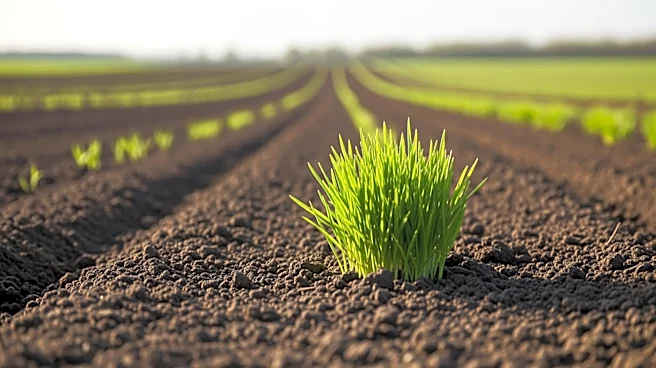
Modern agriculture is undergoing significant changes with the adoption of innovative practices such as intercropping and the use of beneficial insects for pest management. Intercropping involves planting complementary crops together to enhance soil health
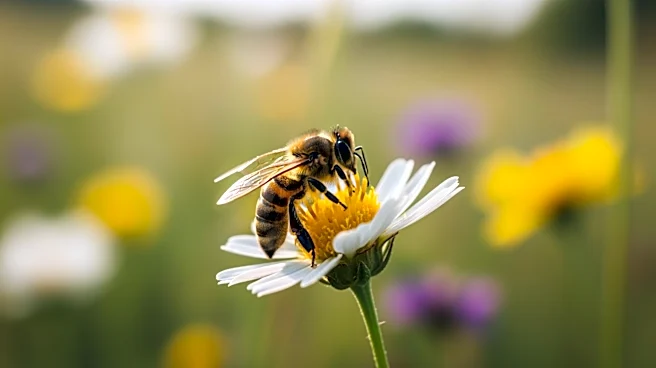
and productivity. This method is gaining popularity as it helps in reducing the reliance on chemical fertilizers and pesticides. Additionally, the use of parasitic insects to control pests is emerging as a sustainable alternative to traditional pest control methods. These practices are part of a broader movement towards sustainable agriculture, aiming to improve crop yields while minimizing environmental impact.
Why It's Important?
The shift towards sustainable agricultural practices is crucial for addressing the challenges of food security and environmental sustainability. By reducing dependency on chemical inputs, these methods can lead to healthier ecosystems and more resilient agricultural systems. This transformation is particularly important in the context of climate change, as it can help mitigate the adverse effects on crop production. Furthermore, these practices can enhance the economic viability of farms by reducing input costs and improving soil health, ultimately benefiting farmers and consumers alike.
What's Next?
As these innovative practices gain traction, further research and development will be essential to optimize their implementation and effectiveness. Policymakers and agricultural organizations may need to provide support and incentives to encourage widespread adoption. Additionally, educating farmers about the benefits and techniques of sustainable agriculture will be crucial for successful integration. The continued evolution of these practices could lead to significant advancements in agricultural productivity and sustainability, shaping the future of farming.