






What's Happening?
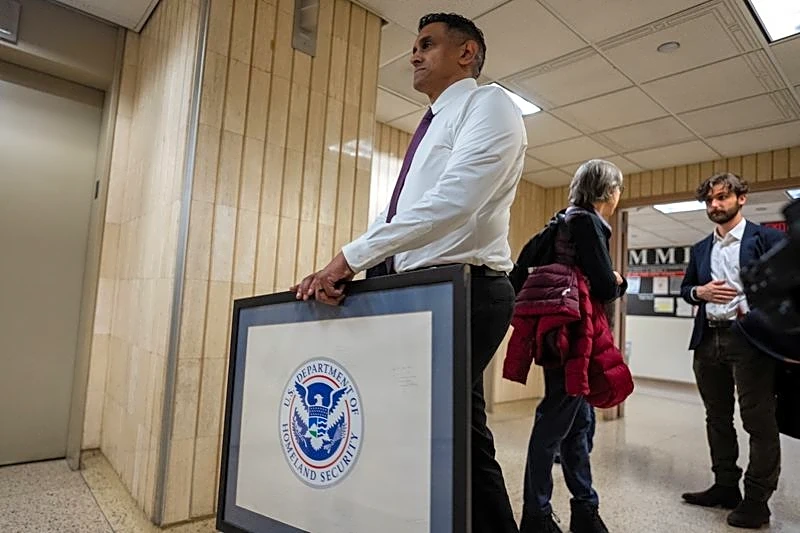
The Department of Homeland Security (DHS) is promoting good nutrition as essential for optimal health among its employees. The agency highlights that healthy eating patterns contribute to longer lives and reduce the risk of chronic diseases such as obesity,
type 2 diabetes, heart disease, stroke, certain cancers, and depression. According to the Centers for Disease Control and Prevention (CDC), fewer than 1 in 10 children and adults in the United States consume the recommended daily amount of vegetables, and only half of adults get sufficient physical activity. The DHS encourages prioritizing whole, healthy, and nutritious foods, defined as those that are minimally processed, with few ingredients, and without added sugars, industrial oils, artificial flavors, or preservatives. Resources like the USDA Nutrition Assistance Program, the USDA National Hunger Hotline, and the Dietary Guidelines for Americans are provided to support employees in their healthy eating journey.
Why It's Important?
Promoting good nutrition within DHS is important for several reasons. A healthy workforce is generally more productive, has fewer sick days, and exhibits higher morale, which directly impacts the agency's operational effectiveness and national security mission. By reducing the prevalence of chronic diseases among its employees, DHS can potentially lower healthcare costs and ensure a more resilient and capable workforce. This initiative also aligns with broader public health goals in the U.S., addressing national statistics on inadequate vegetable consumption and physical inactivity. Providing resources and education on healthy eating empowers employees to make informed choices, contributing to their overall well-being and potentially setting a positive example for their families and communities. This focus on employee health reflects a commitment to the long-term sustainability and readiness of the federal workforce.
What's Next?
DHS will likely continue to disseminate information and resources on nutrition and healthy living to its employees. This may include ongoing campaigns, workshops, and access to health and wellness programs. The agency might also explore partnerships with health organizations or internal initiatives to further support employee well-being. The emphasis on 'real food' and adherence to the Dietary Guidelines for Americans suggests a sustained effort to encourage healthier eating habits. Furthermore, the availability of Work-Life Coordinators indicates an ongoing support system for employees seeking guidance on nutrition and other health-related matters. This initiative could also inspire other federal agencies to enhance their employee wellness programs, contributing to a healthier federal workforce nationwide.
Beyond the Headlines
The DHS's focus on employee nutrition extends beyond individual health benefits, touching upon broader societal and economic implications. A healthier federal workforce can lead to reduced national healthcare expenditures and increased economic productivity. The initiative also subtly addresses health disparities, as the CDC data cited by DHS notes higher rates of obesity among non-Hispanic Black adults. By promoting healthy eating, DHS contributes to a larger public health dialogue about preventive care and lifestyle choices. This effort reflects a growing recognition within government agencies that employee well-being is integral to national security and operational resilience, especially for a department like DHS, whose personnel often face demanding and high-stress environments. It highlights a shift towards a more holistic approach to employee support, recognizing the interconnectedness of physical health, mental well-being, and job performance.