



What's Happening?
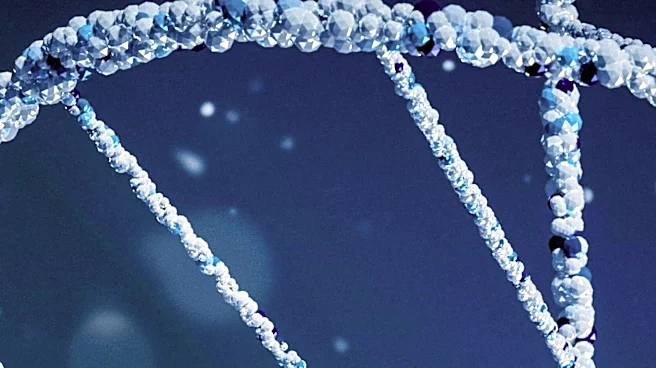
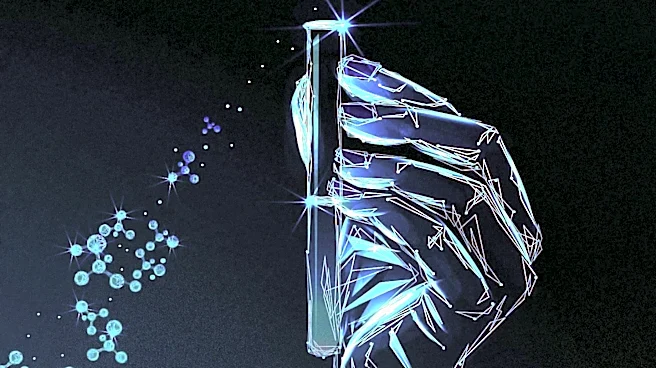
Scientists are expressing concerns over the development of mirror cells, a form of synthetic life that could potentially threaten existing life on Earth. Mirror cells are designed to be a molecular mirror image of natural cells, with right-handed DNA
and left-handed protein structures. Although the technology to create mirror life at the cellular level is not yet available, a group of scientists has published a 299-page report urging a halt to this line of research due to potential risks. The report highlights the possibility of unforeseen consequences that could arise from introducing such synthetic life forms into the environment.
Why It's Important?
The development of mirror cells raises significant ethical and safety concerns within the scientific community. The potential risks associated with creating synthetic life forms that could interact unpredictably with natural ecosystems underscore the need for careful consideration and regulation of such research. This situation highlights the broader debate over the ethical implications of advanced biotechnologies and the responsibility of scientists to consider the long-term impacts of their work. The call for a moratorium on mirror cell research reflects a growing awareness of the need to balance scientific innovation with environmental and societal safety.
What's Next?
As the debate over mirror cells continues, it is likely that regulatory bodies and scientific organizations will engage in discussions to establish guidelines and oversight for research in this area. These discussions may lead to the development of international agreements or frameworks to ensure that the potential risks of synthetic life forms are carefully managed. Additionally, public engagement and education on the topic may increase as awareness of the potential implications of mirror cells grows, prompting broader societal discussions on the ethical boundaries of scientific research.