


What's Happening?
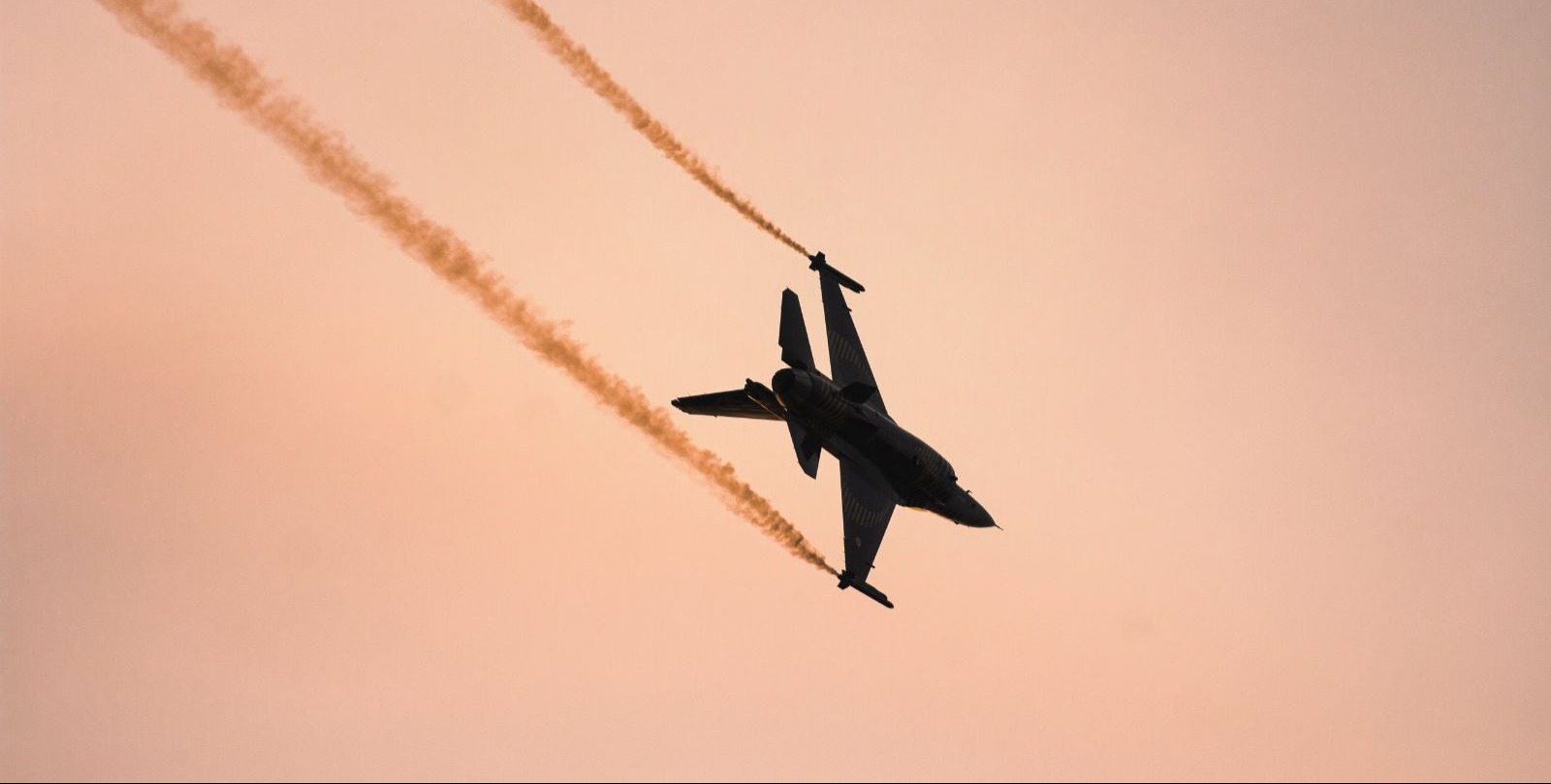
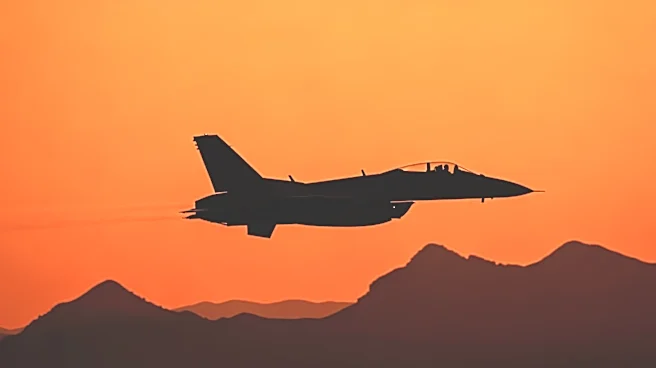
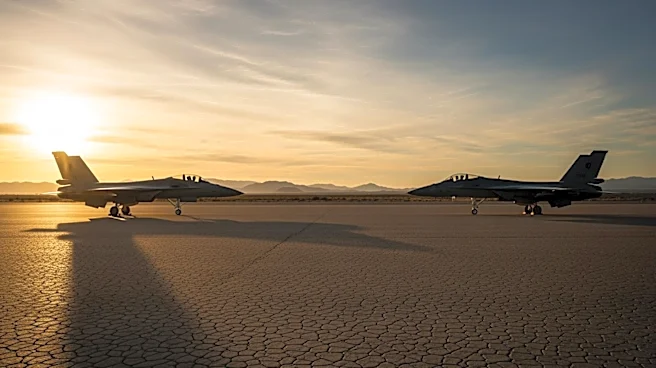
On April 3, the United States experienced the loss of two combat aircraft in the Persian Gulf and over Iran. According to reports, an A-10 Warthog attack aircraft crashed near the Strait of Hormuz, with the pilot successfully rescued. Concurrently, an F-15E
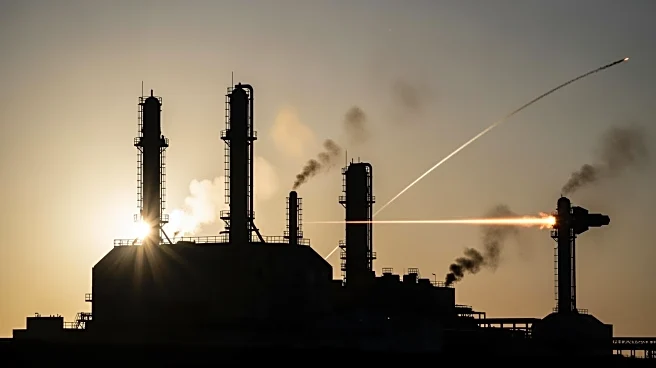
Strike Eagle fighter jet was shot down over Iran, with one crew member rescued and a search ongoing for the second. These incidents come amid heightened tensions, as the Pentagon has increased the number of A-10 aircraft in the region to support ground forces and patrol the Strait of Hormuz. The situation is further complicated by Iran's continued blockade of the Strait, contributing to a global oil crisis.
Why It's Important?
The loss of these aircraft underscores the escalating military tensions between the United States and Iran, with significant implications for regional stability and global oil markets. The Strait of Hormuz is a critical chokepoint for global oil shipments, and its blockade by Iran could exacerbate the ongoing oil crisis, affecting energy prices worldwide. The U.S. military's decision to increase its presence in the region reflects the strategic importance of maintaining open shipping lanes. However, the incidents also highlight the risks of military engagement in the area, potentially leading to further escalation and international diplomatic challenges.
What's Next?
The U.S. military faces a strategic decision between continuing its operations in the region or considering a withdrawal to avoid further losses. The ongoing search for the missing F-15E crew member and the potential for additional military engagements could influence future U.S. actions. Diplomatic efforts may be necessary to de-escalate tensions and address the blockade of the Strait of Hormuz. The international community will likely monitor the situation closely, given its potential impact on global oil supply and regional security dynamics.