


What's Happening?
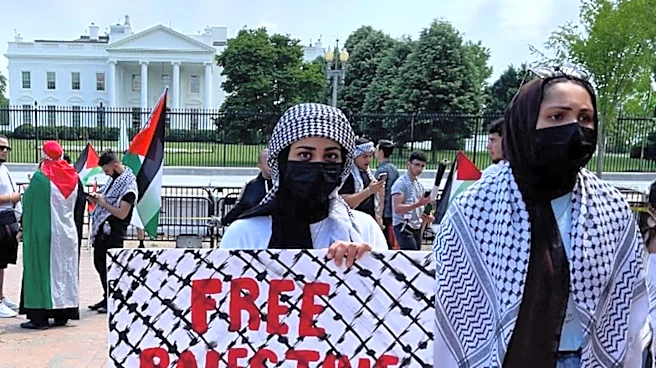
The Turkish Humanitarian Relief Foundation (IHH), in collaboration with the Palestine Support Platform, has called for nationwide solidarity marches and vigils across Turkey on November 20. These events are scheduled to coincide with World Children's
Day and aim to advocate for the protection of children in Gaza while condemning alleged Israeli violations against them. The IHH stated that over 21,000 Palestinian children have been killed in the Gaza Strip, emphasizing that the initiative seeks to highlight the suffering of these children and defend their fundamental rights to life, a future, and hope. The planned events will include marches and press statements in various Turkish provinces, encouraging participation from families and children to express solidarity with the Palestinian people and amplify the voices of Gaza's children globally. In Istanbul, a significant march is planned to commence after Friday prayers at 13:30 from Fıstıkağacı metro station, proceeding towards Üsküdar Square for a solidarity event. The foundation is promoting these gatherings under the slogan: 'Do not forget Gaza.. Be a voice for the children,' aligning with the observance of World Children's Day.
Why It's Important?
This initiative by the Turkish Humanitarian Relief Foundation carries significant weight as it mobilizes public sentiment and calls for international attention to the humanitarian situation in Gaza, particularly concerning children. The large-scale marches across Turkey could exert pressure on international bodies and governments to address the conflict and its impact on civilian populations. By framing the issue around children's rights and World Children's Day, the IHH aims to garner broader sympathy and support, transcending political divides. The involvement of families and children in these demonstrations could create powerful visual narratives that resonate globally, potentially influencing public opinion and policy discussions regarding humanitarian aid and protection in conflict zones. Furthermore, such widespread public demonstrations in a key regional player like Turkey can signal strong societal concern, potentially influencing diplomatic efforts and humanitarian responses from other nations and international organizations. The focus on condemning alleged violations also highlights ongoing debates about international law and accountability in conflict situations.
What's Next?
The immediate next step will be the execution of the planned nationwide marches and vigils on November 20. The IHH and the Palestine Support Platform will likely monitor participation rates and the media coverage generated by these events to assess their impact. Following the demonstrations, organizers may issue further statements or calls to action, potentially urging specific international bodies, such as the United Nations or human rights organizations, to intervene more decisively. There could also be continued advocacy efforts to maintain public awareness and pressure on the issue. The Turkish government, while not directly organizing these events, may face increased public pressure to take stronger diplomatic stances or increase humanitarian aid efforts towards Gaza. International reactions to these marches will also be crucial, as they could either amplify the message or lead to counter-narratives, depending on geopolitical alignments and existing diplomatic relations. The long-term impact will depend on whether these demonstrations translate into concrete policy changes or increased humanitarian assistance.
Beyond the Headlines
The call for nationwide marches by the Turkish Humanitarian Relief Foundation reflects a deeper societal concern within Turkey regarding humanitarian crises, particularly those affecting Muslim populations. This mobilization on World Children's Day also underscores the strategic use of international observances to highlight specific causes, aiming to leverage global attention on children's rights to draw focus to the conflict in Gaza. Ethically, the initiative raises questions about the responsibility of the international community to protect vulnerable populations in conflict zones and the effectiveness of existing international legal frameworks. Culturally, these marches can reinforce a sense of solidarity and shared identity among certain segments of the Turkish population with Palestinians. Legally, the condemnation of 'Israeli violations' points to ongoing debates about international humanitarian law and potential war crimes, which are often central to such conflicts. The sustained focus on the plight of children could also contribute to a long-term shift in how future conflicts are perceived and responded to, with an increased emphasis on the protection of non-combatants and the long-term psychological and social impacts of war on younger generations.