




What's Happening?
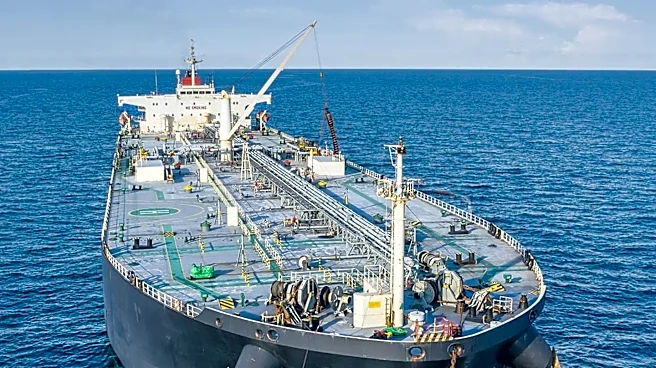
The U.S. Coast Guard and FBI agents boarded a Texas-bound commercial oil tanker last month to investigate a potential cyberattack. The boarding occurred before the vessel, identified in Iranian reports as the VL Prosperity, could arrive at a U.S. port.
Authorities suspected the ship's network might have been compromised by a foreign actor while it was crossing the Atlantic. A specialized team, including Coast Guard law-enforcement personnel, a vessel inspector, Coast Guard Cyber Protection Team members, and FBI Cyber Action Team operators, examined both the vessel's operational technology (OT) and information-technology (IT) systems. They worked with the crew and the ship's corporate operators to address the threat. The U.S. has not attributed the potential breach to a specific actor, but Iranian state media amplified the story, claiming hackers gained control over propulsion, navigation, and cargo systems. The Coast Guard reported no operational disruptions, vessel instability, physical danger to crews, or environmental impacts.
Why It's Important?
This incident highlights the growing vulnerability of critical infrastructure, particularly maritime shipping, to cyber threats. Modern commercial oil tankers rely heavily on interconnected operational technology for propulsion, navigation, and cargo systems. A successful cyberattack on these systems could allow a hostile state or actor to manipulate a vessel's movement or critical machinery, potentially turning a massive oil tanker into a weapon against a port. Such an event could have severe economic consequences, disrupting global supply chains, impacting oil prices, and causing significant environmental damage. The involvement of both the Coast Guard and the FBI underscores the national security implications of these cyber threats, demonstrating a coordinated U.S. government response to protect maritime commerce and critical infrastructure from foreign adversaries. The incident also raises concerns about the potential for state-sponsored cyber warfare extending to commercial shipping.
What's Next?
The U.S. government is expected to continue its investigation into the extent of the cyberattack and identify the responsible parties. This incident will likely prompt increased scrutiny and enhanced cybersecurity measures for commercial vessels entering U.S. waters. Maritime authorities and shipping companies may implement more stringent protocols for network security, including regular audits and real-time monitoring of operational technology systems. There could also be a push for greater international cooperation to develop and enforce cybersecurity standards for the global shipping industry. Furthermore, the incident may lead to policy discussions within the U.S. government regarding the classification of cyberattacks on commercial vessels and the appropriate response mechanisms, especially if a foreign state is definitively linked to the breach. The focus will be on preventing future incidents and mitigating the risks associated with the increasing digitalization of maritime operations.
Beyond the Headlines
The boarding of a commercial oil tanker by U.S. authorities to investigate a cyberattack reveals a critical shift in national security concerns, extending beyond traditional military threats to include the digital vulnerabilities of global commerce. This event underscores the dual-use nature of technology, where advancements in vessel automation and connectivity, while enhancing efficiency, also create new vectors for attack. The potential for a hostile actor to remotely hijack a vessel and weaponize it against a port raises profound questions about sovereignty, international law, and the definition of an act of war in the cyber age. It also highlights the ethical dilemma of balancing economic interests with national security imperatives, as imposing strict cybersecurity regulations on commercial shipping could impact global trade flows. This incident serves as a stark reminder that the digital battlefield is expanding, requiring a re-evaluation of defense strategies and international cooperation to safeguard the interconnected systems that underpin modern society.