



What's Happening?
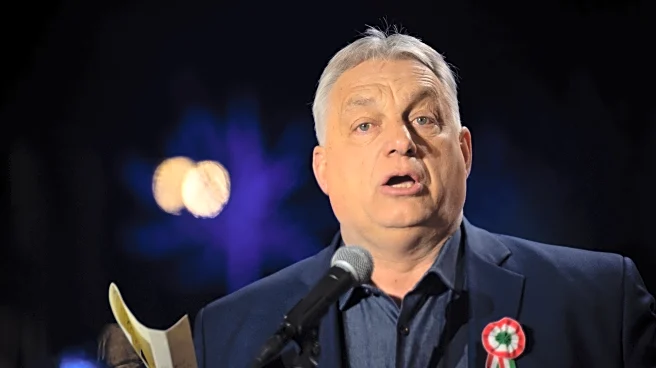
The European Commission has requested clarification from Hungary following allegations that the country's foreign minister, Peter Szijjarto, leaked information about EU negotiations to Russia. According to a report by The Washington Post, Szijjarto allegedly
communicated directly with Russian Foreign Minister Sergey Lavrov during breaks in EU meetings. Szijjarto has dismissed these claims as 'fake news' and 'senseless conspiracy theories.' The situation has heightened tensions between Hungary and the EU, especially as Hungary recently blocked a significant financial loan to Ukraine. The European Commission emphasized the importance of trust among EU member states and expects Hungary to address these allegations.
Why It's Important?
This development is significant as it underscores the fragile nature of trust within the European Union, particularly in the context of the ongoing conflict between Russia and Ukraine. Hungary's actions, if proven true, could undermine EU unity and its collective stance against Russia. The allegations also come at a time when Hungary's relationship with the EU is already strained due to its opposition to financial aid for Ukraine. This situation could have broader implications for EU policy-making and its diplomatic relations, potentially affecting the EU's ability to present a united front in international affairs.
What's Next?
The European Commission has called for a thorough investigation into the allegations, and Hungary is expected to provide a detailed response. The outcome of this investigation could influence Hungary's standing within the EU and its future interactions with other member states. Additionally, the situation may prompt discussions on how the EU can safeguard sensitive information and maintain trust among its members. The international community will be closely monitoring Hungary's response and any subsequent actions taken by the EU.