






What's Happening?
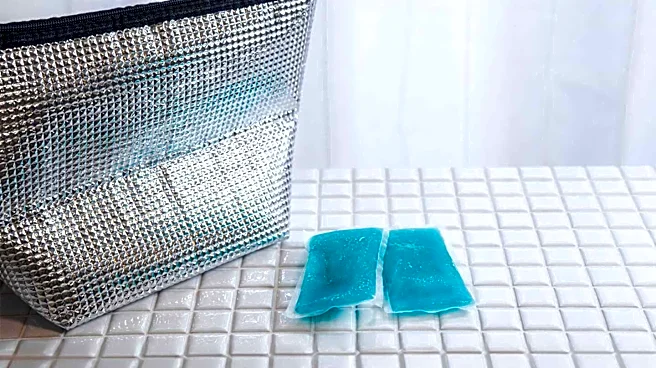
Cold therapy, also known as cryotherapy, is a widely used method for pain management and injury recovery. It functions by lowering tissue temperature and temporarily reducing local blood flow, which helps to numb pain and decrease swelling. This approach
is particularly effective for acute injuries, such as twisted ankles, minor muscle strains with swelling, and bruises. Various methods of cold therapy exist, ranging from localized applications like reusable ice packs, therapy wraps, and instant cold packs, to more extensive treatments such as ice baths and cold plunges. The application of cold therapy is recommended for short durations, typically 10 to 20 minutes, with precautions to avoid direct skin contact and excessive numbness. It is a common practice in sports medicine and rehabilitation programs for both acute injuries and chronic pain conditions.
Why It's Important?
The importance of cold therapy lies in its accessibility, cost-effectiveness, and immediate impact on pain and swelling, offering a non-pharmacological option for managing discomfort. For individuals experiencing acute injuries or post-exercise soreness, cold therapy provides a quick and easy way to alleviate symptoms, potentially reducing reliance on pain medication. In the context of U.S. healthcare, where there is a growing emphasis on non-opioid pain management options, cold therapy stands out as a safe and readily available alternative. Its application in sports medicine helps athletes recover faster, minimizing downtime and supporting continued physical activity. Furthermore, for those with chronic pain, cold therapy can be integrated into broader treatment plans, improving quality of life and functional mobility. The availability of diverse cold therapy products, from simple ice packs to specialized devices, makes it adaptable to various needs and settings, from home use to clinical environments.
What's Next?
As awareness of non-opioid pain management grows, the integration of cold therapy into standard care protocols for injuries and chronic conditions is likely to expand. Healthcare providers, including physiotherapists and chiropractors, will continue to guide patients on the appropriate use of cold therapy, often combining it with other treatments like physical therapy and exercise. The market for cold therapy products is expected to see continued innovation, with advancements in design and application methods to enhance user comfort and effectiveness. There may also be further research into the optimal timing and duration of cold therapy for specific conditions, as well as its long-term benefits. For individuals, the emphasis will remain on understanding when and how to apply cold therapy safely and effectively, distinguishing it from heat therapy, and seeking professional advice for persistent or severe symptoms.
Beyond the Headlines
Beyond its immediate physical benefits, cold therapy contributes to a broader shift towards holistic and patient-centered approaches to health and wellness. The practice encourages individuals to take an active role in their recovery and pain management, fostering a sense of empowerment. Ethically, its non-invasive nature and minimal side effects make it a preferred initial intervention, aligning with principles of 'do no harm.' Culturally, the use of cold therapy reflects a long-standing tradition of natural remedies, now supported by scientific understanding of its physiological effects. The increasing popularity of practices like ice baths and cold plunges, sometimes combined with saunas in 'contrast therapy,' highlights a growing interest in methods that not only address physical ailments but also promote mental clarity, stress resilience, and overall well-being. This trend suggests a deeper societal appreciation for practices that integrate physical recovery with mental and emotional health.