






What's Happening?
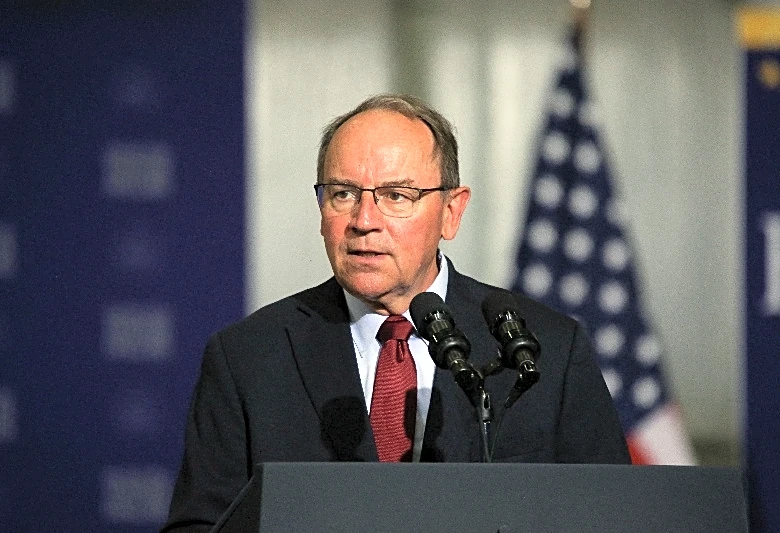
Congressman Randy Weber (TX-14), along with Senators Ted Cruz and John Cornyn, and Congressman Brian Babin (TX-36), have sent a letter to the U.S. Army Corps of Engineers (USACE) urging them to maintain momentum on the Orange County element of the Sabine
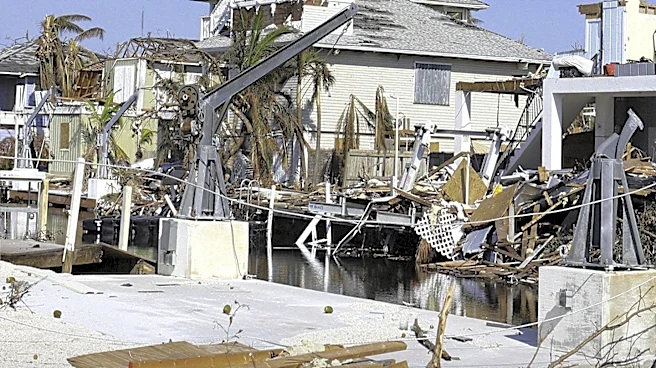
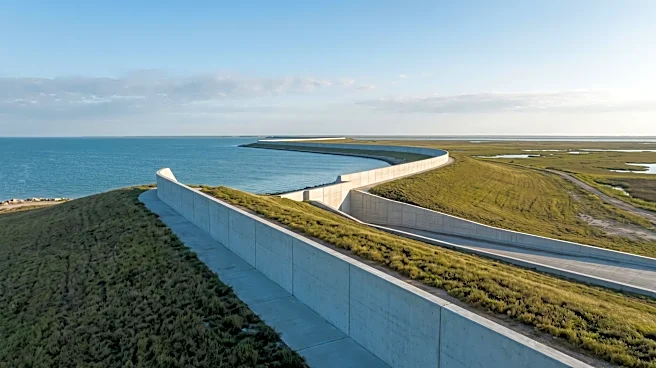
Pass to Galveston Bay Coastal Storm Risk Management and Ecosystem Restoration Project (S2G). The lawmakers are pushing for the project to advance without delay, emphasizing its critical importance for storm surge protection in Orange County. The S2G project was authorized by Congress in 2018 through the Water Resources Development Act to mitigate the severe impacts of coastal storm surge along the upper Texas coast. Despite increased estimated costs during the design phase, the lawmakers are seeking policy direction for USACE to use its discretionary authority to begin construction with available funds, ensuring the project's progress while a Post Authorization Change Report is being developed. They highlighted the devastation caused by Hurricane Harvey, which resulted in significant flooding and fatalities in Orange County, as a testament to the urgent need for these coastal protections.
Why It's Important?
This initiative is crucial for the safety and economic stability of Orange County, Texas. The Sabine Pass to Galveston Bay project aims to strengthen storm surge protection for over 86,000 residents and workers, safeguarding nearly $5.9 billion in annual economic activity. The region has historically been vulnerable to major storms, with Hurricane Harvey serving as a stark reminder of the catastrophic consequences of inadequate coastal defenses. Expediting this project would not only protect lives and property but also prevent significant economic disruptions caused by storm-related damages and recovery efforts. The lawmakers' intervention underscores the ongoing challenge of balancing rising project costs with the urgent need for infrastructure development to protect vulnerable coastal communities. Their push for USACE to utilize existing funds and discretionary authority could set a precedent for similar projects facing cost escalations, potentially influencing how large-scale infrastructure projects are managed and prioritized across the nation.
What's Next?
The immediate next step involves the Assistant Secretary of the Army for Civil Works, Adam Telle, providing policy direction to USACE regarding the Orange County element of the S2G project. The lawmakers are specifically requesting that USACE be directed to exercise its discretionary authority to begin construction using available funds, even as the Post Authorization Change Report is being finalized. The Gulf Coast Protection District supports this effort, indicating a unified regional push for the project's advancement. Future developments will likely include continued engagement between Texas lawmakers and federal agencies to ensure the project remains on track. The progress of the Orange County element will also depend on the outcome of the Post Authorization Change Report and how USACE addresses the increased project costs. The community will be closely watching for signs of construction commencement, which would signal a significant step forward in enhancing coastal resilience.
Beyond the Headlines
The push to accelerate the Sabine Pass to Galveston Bay project highlights broader issues concerning federal infrastructure funding, regional resilience against climate change, and the bureaucratic challenges in implementing large-scale public works. The increase in estimated project costs, a common occurrence in major infrastructure endeavors, often leads to delays and necessitates additional advocacy from elected officials. This situation underscores the tension between long-term protective measures and immediate budgetary constraints. Furthermore, the emphasis on discretionary authority for USACE points to the flexibility needed in federal agencies to respond to urgent community needs, especially in the face of escalating environmental threats. The project's success could serve as a model for other coastal regions grappling with similar vulnerabilities, demonstrating the importance of sustained political will and adaptive project management in building resilient infrastructure against the impacts of climate change and extreme weather events.