





What's Happening?
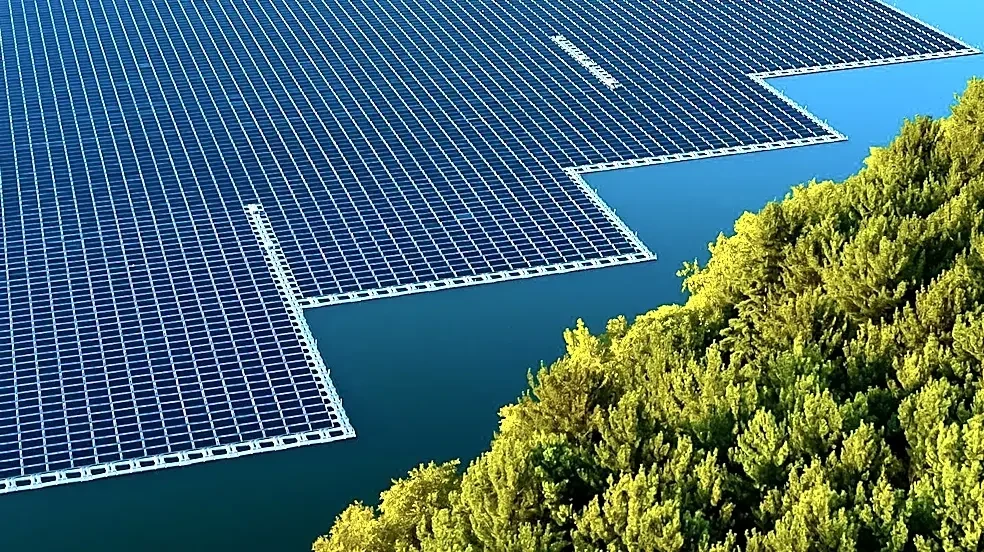
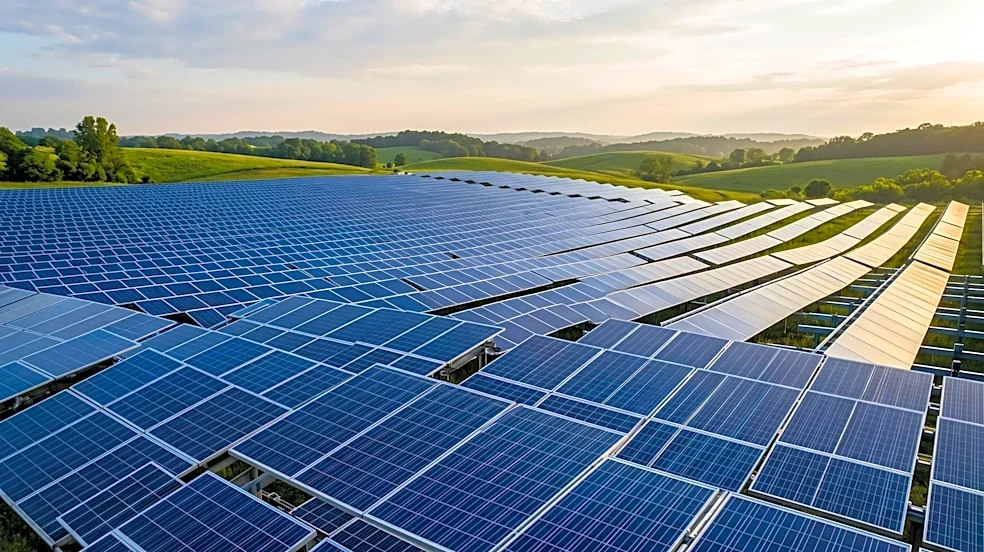
A project to deploy a 1.68-megawatt floating solar array on Peekskill's Camp Field Reservoir has been withdrawn by its applicants, the Ecological Citizens Project and Working Power. The project, which aimed to provide community-owned solar and significant
economic benefits to Peekskill, faced delays due to additional required water infrastructure improvements. These delays pushed the construction timeline beyond the eligibility period for federal investment solar tax credits, which were estimated to cover up to 50% of the project cost and are set to sunset after December 31, 2027. The applicants stated that the increased costs and inability to qualify for these crucial tax credits made the project financially unviable, preventing it from delivering the intended community benefits. The withdrawal was announced by Peekskill Director of Planning and Development Carol Samol, with further explanations provided by Jason Angell, co-director of the Ecological Citizens Project, and Ian Fischer, co-executive director of Working Power. The project had also faced opposition from some residents concerned about potential drinking water contamination and environmental impacts.
Why It's Important?
The withdrawal of the Peekskill floating solar project highlights the critical role of federal tax incentives in the viability of renewable energy initiatives, particularly for community-owned systems. The inability to secure federal investment solar tax credits, which could have subsidized up to 50% of the project's cost, rendered the project financially unfeasible. This situation underscores how the sunsetting or inaccessibility of such credits can directly impede the development of clean energy infrastructure, even when projects are designed to offer substantial community benefits like reduced energy bills and local economic development. For communities, this means a lost opportunity for energy savings and the creation of funds for local initiatives. For renewable energy developers, it emphasizes the necessity of aligning project timelines with the availability of tax incentives, as delays can lead to significant financial setbacks and project cancellations. The incident also reflects the ongoing challenges of balancing environmental concerns, community needs, and financial realities in renewable energy development.
What's Next?
While the current floating solar project on the Camp Field Reservoir has been withdrawn, the applicants, the Ecological Citizens Project and Working Power, have indicated that there is still an opportunity for a similar project in the future. They remain committed to developing community-owned renewable energy systems that deliver economic benefits and energy savings to local communities. Future efforts would likely involve identifying alternative sites, such as buildings with large flat roofs or other traditional installations, that are more conducive to construction timelines and financial viability, especially concerning tax credit eligibility. The experience also suggests that developers will need to carefully consider and address community concerns, particularly regarding environmental impacts, to ensure broader public support for future projects. The focus will be on finding sites that meet the needs for building assistance and can secure necessary financial incentives to make such initiatives successful.
Beyond the Headlines
This case extends beyond a single project's cancellation, touching upon broader implications for renewable energy development and community engagement. The opposition from residents, citing concerns about drinking water contamination and ecosystem disturbance, highlights the growing public scrutiny of renewable energy projects, especially those impacting natural resources. This underscores the need for transparent communication and thorough environmental impact assessments to build trust and secure community buy-in. Furthermore, the emphasis on 'community-owned' systems by the Ecological Citizens Project and Working Power points to a larger movement aiming to localize the benefits of renewable energy, ensuring that profits and savings directly support residents and local initiatives rather than external investors. The challenge lies in navigating complex regulatory landscapes and securing financial incentives while addressing legitimate community concerns, ultimately shaping how clean energy transitions are implemented at the local level across the U.S.