






What's Happening?
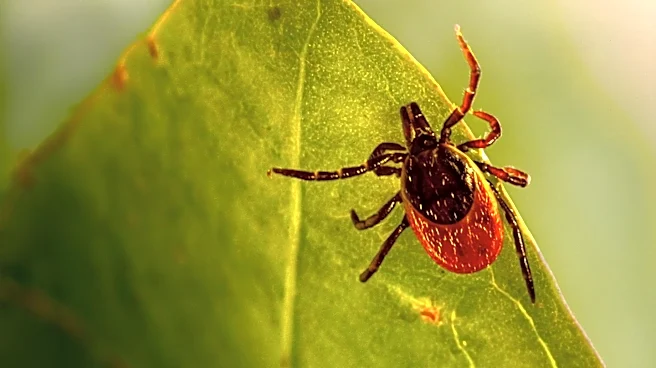
New York State is experiencing an extended tick season, with health officials warning residents that ticks are expected to remain active through Thanksgiving and potentially into early December. Dr. James McDonald, New York State Health Commissioner,
stated that rising temperatures are a contributing factor to this prolonged activity. Typically, tick activity would wane with cooler weather, but the current climate conditions are allowing these parasites to persist later into the year. This extension means that the risk of tick bites and associated diseases remains elevated even as the holiday season approaches. Residents are advised to continue taking precautions when spending time outdoors, including using insect repellent, wearing light-colored clothing to easily spot ticks, and conducting thorough body checks after outdoor activities. Pets are also susceptible, and veterinarians note that ticks remain a threat until a hard ground freeze occurs, making fall a particularly risky period for animals.
Why It's Important?
The extended tick season in New York has significant public health implications, primarily due to the increased risk of tick-borne illnesses such as Lyme disease, ehrlichiosis, and anaplasmosis. A longer period of tick activity means a greater window for human and pet exposure, potentially leading to a rise in reported cases of these diseases. This situation places an added burden on healthcare systems, as medical professionals need to remain vigilant in diagnosing and treating tick-borne infections outside of the traditional peak seasons. For individuals, it necessitates a sustained awareness and adherence to preventive measures, which might be overlooked as temperatures drop and people typically associate colder weather with reduced pest threats. The economic impact could also be felt through increased healthcare costs and potential productivity losses due to illness. Furthermore, the phenomenon highlights broader environmental concerns related to climate change and its direct effects on local ecosystems and public health.
What's Next?
As tick season extends, public health campaigns will likely continue to emphasize vigilance and preventive measures throughout the late fall and early winter. Residents should anticipate ongoing advisories from state and local health departments regarding tick safety. Healthcare providers may need to adjust their diagnostic protocols to consider tick-borne illnesses later in the year, ensuring timely treatment. Pet owners should maintain regular tick prevention treatments for their animals and conduct frequent checks, as the risk to pets remains high. Researchers will likely continue to monitor tick populations and activity patterns to better understand the long-term impacts of changing climate conditions on vector-borne diseases. The public should remain proactive in personal protection, even during traditionally 'off-season' months, until consistent freezing temperatures are established.
Beyond the Headlines
The prolonged tick season in New York is a tangible example of how subtle environmental shifts can have significant public health consequences. Beyond the immediate concern of tick-borne diseases, this trend points to a broader ecological imbalance influenced by climate change. Warmer winters and extended mild periods create more favorable conditions for tick survival and reproduction, potentially altering their geographical distribution and increasing their overall numbers. This could lead to the emergence of tick-borne diseases in new areas or an increase in the prevalence of existing ones. The situation also underscores the interconnectedness of environmental health and human well-being, prompting a re-evaluation of public health strategies to adapt to evolving ecological landscapes. It highlights the need for continuous public education and adaptation to new environmental realities, moving beyond traditional seasonal expectations for pest control and disease prevention.