


What's Happening?
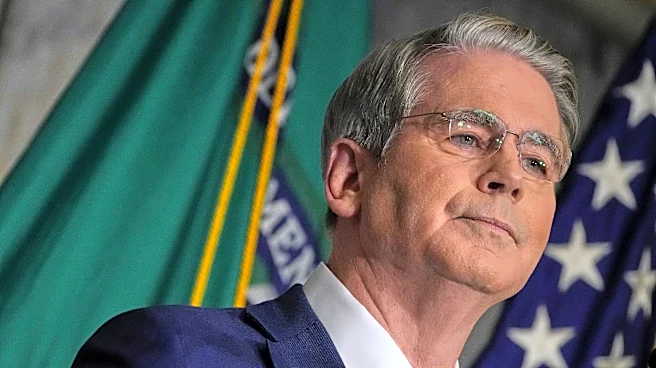
Army Secretary Dan Driscoll has reportedly informed close associates of his desire to resign by Labor Day, according to three current and one former U.S. official. However, Trump administration officials are urging him to remain in his position until
at least the end of the year. Driscoll's consideration of resignation is partly attributed to Defense Secretary Pete Hegseth's actions, which include firing individuals close to Driscoll and overruling some of his decisions. This internal conflict highlights tensions within the Trump administration's defense leadership.
Why It's Important?
The potential resignation of Army Secretary Dan Driscoll signals significant internal discord within the Trump administration's Department of Defense. Such a high-profile departure could lead to instability and uncertainty in the leadership of the U.S. Army, potentially impacting ongoing military operations, policy implementation, and troop morale. The reported reasons for his consideration—clashes with Defense Secretary Pete Hegseth over personnel and decisions—suggest a broader struggle for authority and strategic direction within the Pentagon. This situation could also raise questions about the effectiveness and cohesion of the Trump administration's national security team, potentially affecting public confidence and international perceptions of U.S. military leadership.
What's Next?
The immediate future will likely involve negotiations between Army Secretary Dan Driscoll and Trump administration officials regarding his tenure. If Driscoll proceeds with his resignation, the Trump administration will need to quickly identify and appoint a successor, a process that could involve Senate confirmation and potentially further political maneuvering. Should he remain, the underlying tensions with Defense Secretary Pete Hegseth would need to be addressed to ensure effective leadership and decision-making within the Army. The situation will be closely watched for any further personnel changes or policy shifts within the Department of Defense, which could have implications for military readiness and strategic planning.
Beyond the Headlines
The reported tensions between Army Secretary Dan Driscoll and Defense Secretary Pete Hegseth underscore a recurring theme in presidential administrations: the challenge of maintaining a cohesive and functional leadership team, particularly in critical departments like defense. This situation highlights the complexities of civil-military relations and the potential for friction when political appointees and career military leaders have differing visions or management styles. Beyond the immediate personnel implications, such conflicts can have long-term effects on institutional morale, policy consistency, and the perceived stability of the government. It also raises questions about the balance of power and influence among various officials within the executive branch, and how these dynamics ultimately shape national security policy and military operations.