
What's Happening?
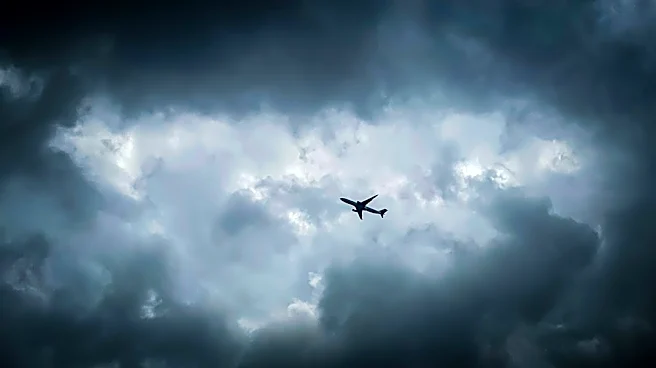
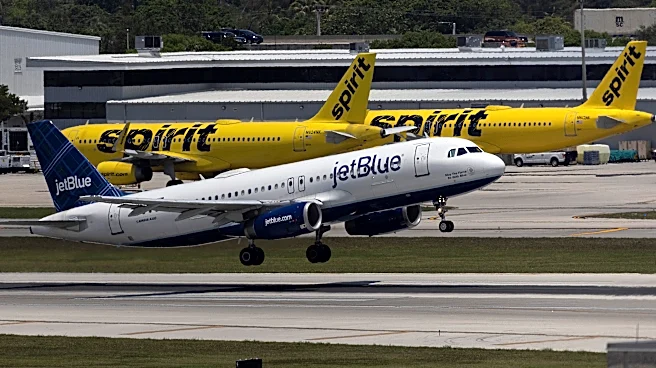
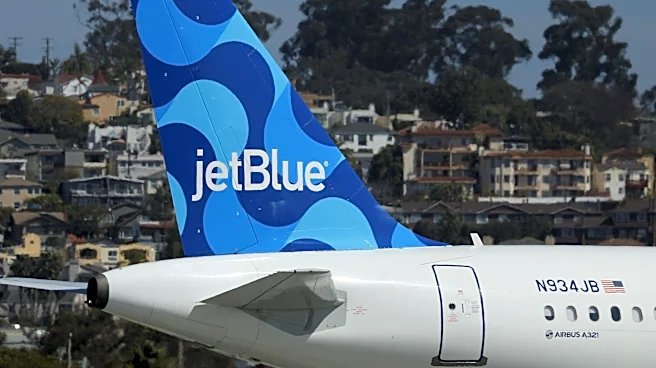
A JetBlue flight traveling from Puerto Rico to Fort Lauderdale, Florida, encountered significant turbulence on Tuesday morning, resulting in injuries to several passengers and crew members. The aircraft
landed safely in Fort Lauderdale just before 7 a.m. Emergency crews evaluated five individuals who reported injuries or required medical attention, though all declined transportation to a hospital. While thunderstorms were reported along the flight's potential route, the precise cause of the turbulence has not yet been confirmed by officials. There were no reports of structural damage to the aircraft.
Why It's Important?
This incident highlights the inherent risks associated with air travel, particularly concerning unexpected weather phenomena like turbulence. While the plane landed safely and no one required hospitalization, such events can cause significant distress and minor injuries to those on board. For the airline industry, incidents of turbulence can lead to increased scrutiny of safety protocols, potential delays, and operational disruptions. It also underscores the importance of passenger and crew adherence to safety instructions, such as keeping seatbelts fastened. For passengers, it serves as a reminder of the unpredictable nature of air travel and the need for vigilance during flights, even when conditions appear calm.
What's Next?
Authorities will likely conduct an investigation to determine the exact cause of the turbulence encountered by the JetBlue flight. This investigation may involve analyzing flight data recorders, weather patterns at the time of the incident, and crew reports. The findings could lead to updated advisories for pilots regarding specific flight paths or weather conditions. JetBlue may also review its internal procedures for managing turbulence events and assisting affected passengers and crew. Passengers who experienced injuries, even minor ones, may follow up with medical professionals or consider their options regarding compensation for any discomfort or medical expenses incurred.
Beyond the Headlines
Beyond the immediate impact, this event contributes to the broader discussion on aviation safety and the potential effects of changing weather patterns on air travel. As climate patterns evolve, the frequency and intensity of turbulence may shift, posing new challenges for airlines and air traffic control. This could necessitate advancements in turbulence forecasting technology and aircraft design to better withstand such forces. The incident also subtly reinforces the psychological aspect of flying, where even minor events can heighten passenger anxiety, influencing travel choices and perceptions of safety in the long term. The airline industry continuously works to mitigate these risks, balancing efficiency with paramount safety concerns.